Who is Mats?
Let's break it down!
to break the glass...
Beliefs and values
I believe design must produce real, measurable impact. For me, that means nature-first solutions: projects that for example improve ecosystems or shift people's behaviour in ways that benefit the natural world. Effectiveness is my core value. A design that doesn't lead to real action hasn't done its job.
To make that happen, I ground my work in research and tested prototypes. I follow Design Thinking closely because I believe that moving through all its phases is how to find the best possible solution.
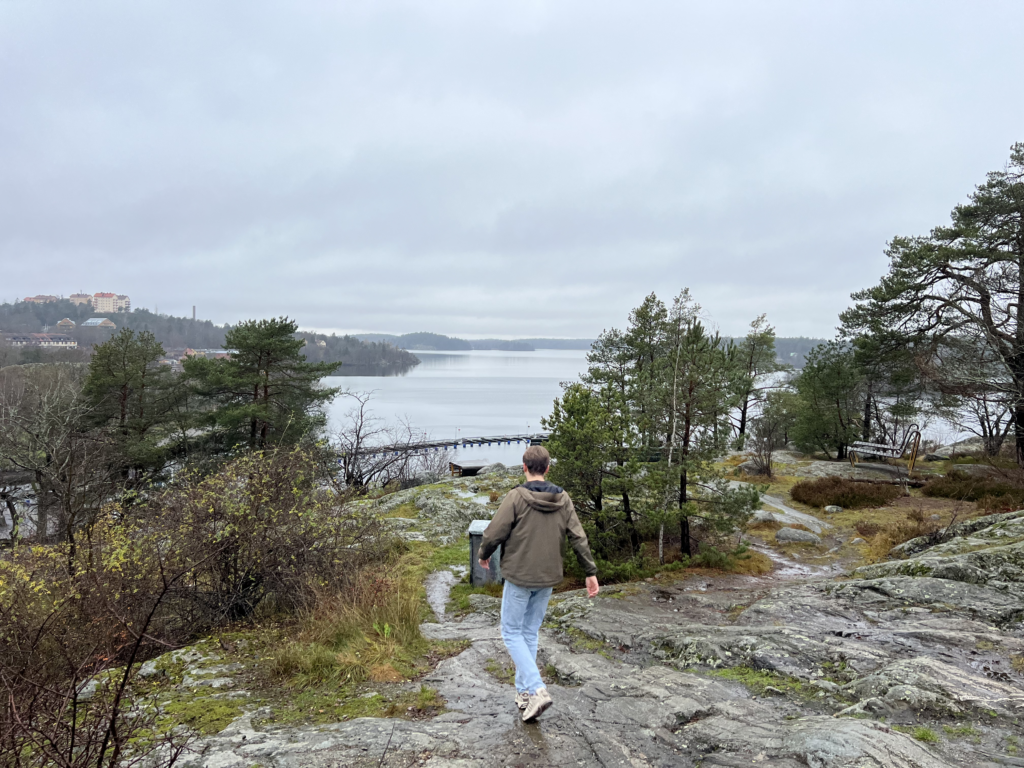
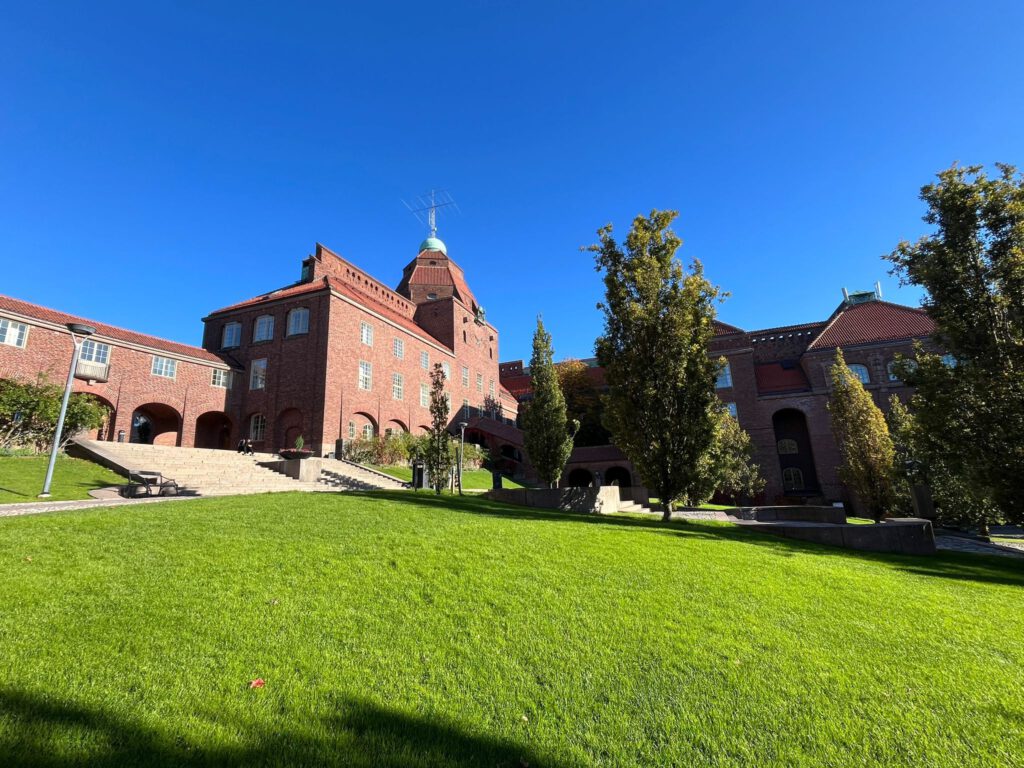
At the end of 2025, I’ve spent five months in Stockholm. The city has built a balance between water, nature, and the built environment. In the Netherlands, where I grew up, there is much less nature and biodiversity [1]. Seeing that cities and nature can actually live well together made my ambition feel concrete.
[1] Balans van de Leefomgeving 2025: 2025. https://www.pbl.nl/publicaties/balans-van-de-leefomgeving-2025.
Mats as a designer
Designers are good at turning messy, complicated problems into clear, testable interventions. We observe behaviour, prototype small changes, and iterate fast. That's how we design concrete solutions for abstract, ‘unsolvable’ problems.
What I've learned, particularly through my Final Bachelor Project, is that this process only works when you can move between very different audiences. I developed a nature-monitoring platform concept and reached out to communicate it to ecologists, to residents with no technical background, and to institutional stakeholders. That experience sharpened something I now consider a genuine strength: translating between worlds. I'm comfortable making complex projects understandable, aiming to involve multiple stakeholders.
My design strengths include creativity and aesthetics and design processes: visual communication, concept development, and digital design. I've always focussed on making things look right and making them work. At the same time, data and realization are areas I am aiming to develop in, particularly in combining qualitative and quantitative research and making physical prototypes. Beyond that, I want to move faster: there are many urgent problems, and a slower design process means fewer iterations and less impact. Working more fluently with AI tools and getting comfortable with direct outreach are two ways I can improve on that.

How is Mats in a team?
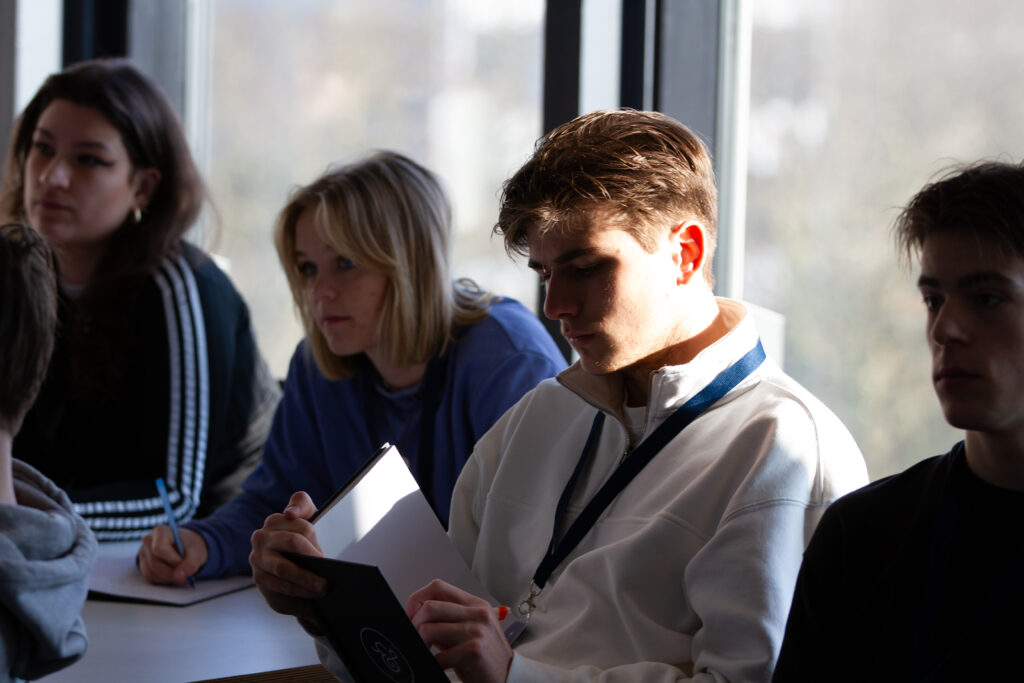
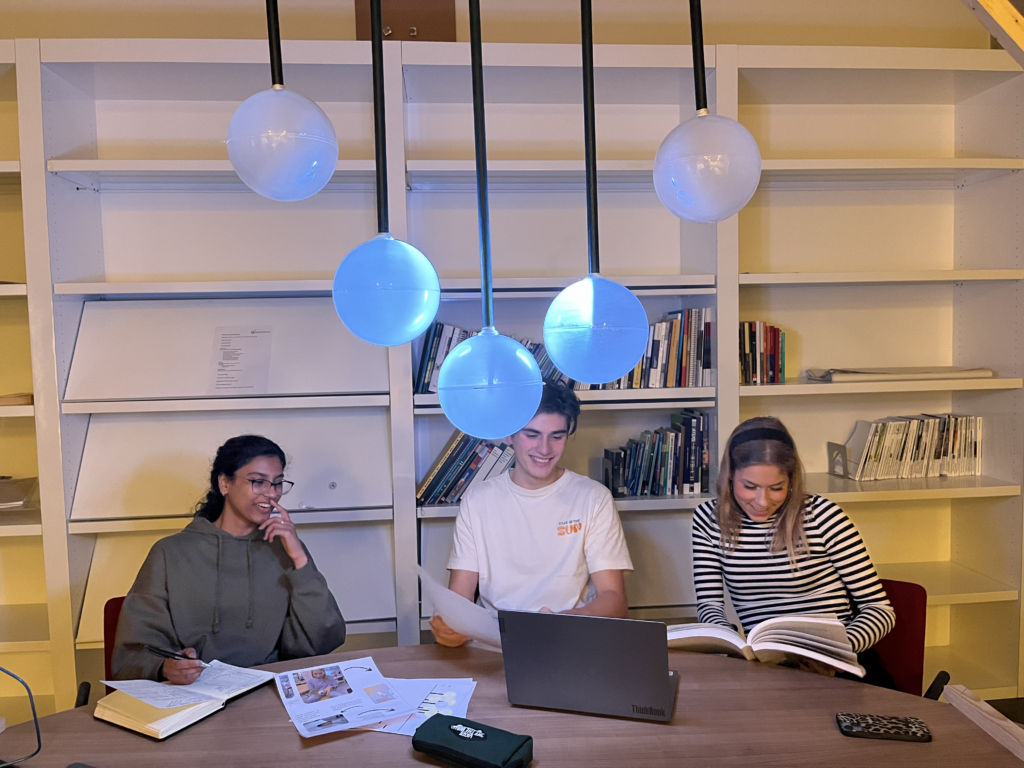
Change doesn't happen alone, and the how and with whom matter as much as the what [2]. I tend to take a coordinating role: organising the work, aligning stakeholders, and making sure different voices are integrated. To keep projects clear and accessible to all stakeholders (including myself), I design with the commonly known Design Thinking process, making collaboration easier.
I'm independent and driven, which means I move fast and maximize results. The flip side is that I can be reserved and self-effacing. When there is disagreement, I tend to step back rather than speak up. I am working on this since design decisions sometimes need to be defended to people with different opinions and interests.
I don't separate my personality from how I work. I bring informality and fun into projects. It makes them more interesting and lowers the threshold for people to engage. And honestly, it just makes the work more enjoyable for everyone involved 😊
[2] Brand, Reon & Rocchi, Simona. (2010). Rethinking value in a changing landscape. A model for strategic reflection and business transformation. Philips Design.