

Industrial Design Portfolio
Welcome. This page is a dedicated space within my website for my Industrial Design Portfolio at TU/e. You can read my PI&V with the buttons below and use the timeline to move through my development as a designer!
Past
What does Mats’ design background look like? How did Mats develop during his first and second year Industrial Design?
Present
What did Mats do and how did he develop during his third year?
Future
Does he have a development plan for after graduation?
Past
Before starting the Bachelor Industrial Design, I was already busy making things like travel videos, escape rooms, and simple games. These projects helped me explore creativity and experiment with tools.
A travel video of a trip to Sweden!
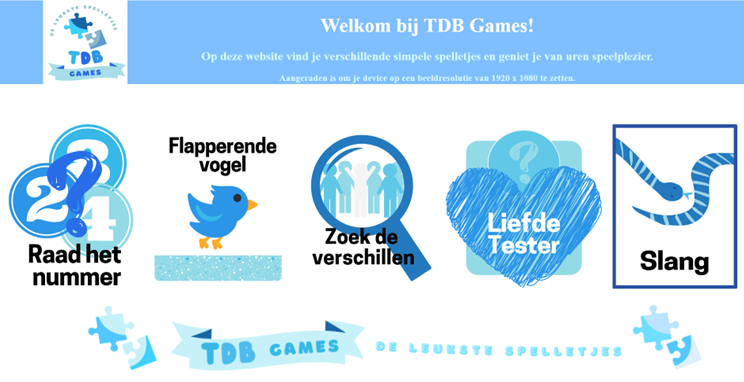
A simple but functioning games website I made in secondary school.

A more advanced game I made in secondary school.
In the first year (B1), I mainly explored the breadth of design: co-creation, user research methods, creative ideation, prototyping, technology. Much of my work was project-driven and exploratory. I learned how to collaborate, experiment with materials and digital tools, and apply structured creativity methods. At that stage, my focus was largely on doing (learning tools, methods, and processes) rather than critically reflecting on why and for whom I was designing.
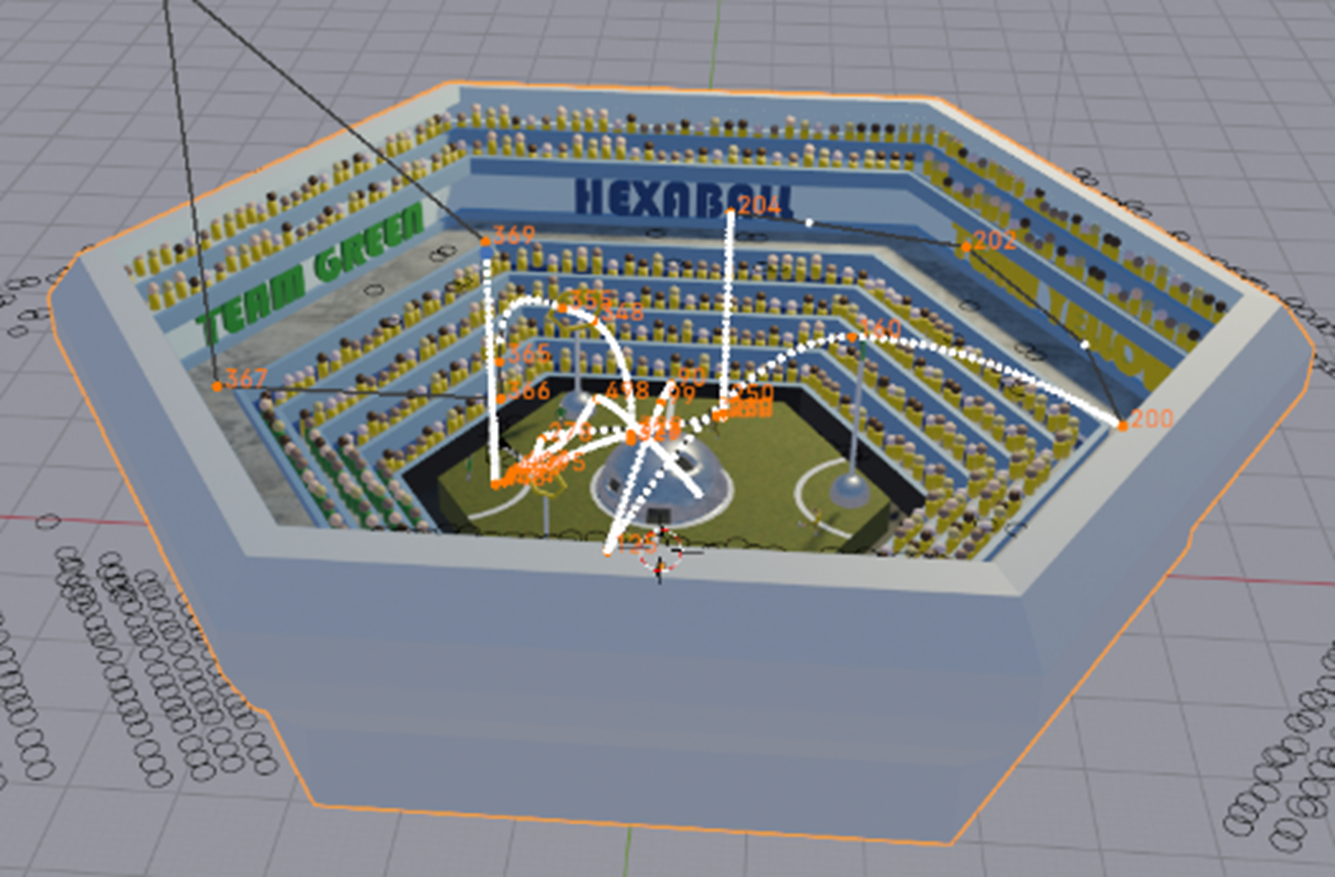
A 3D model used for an animation during CBL Project 1.
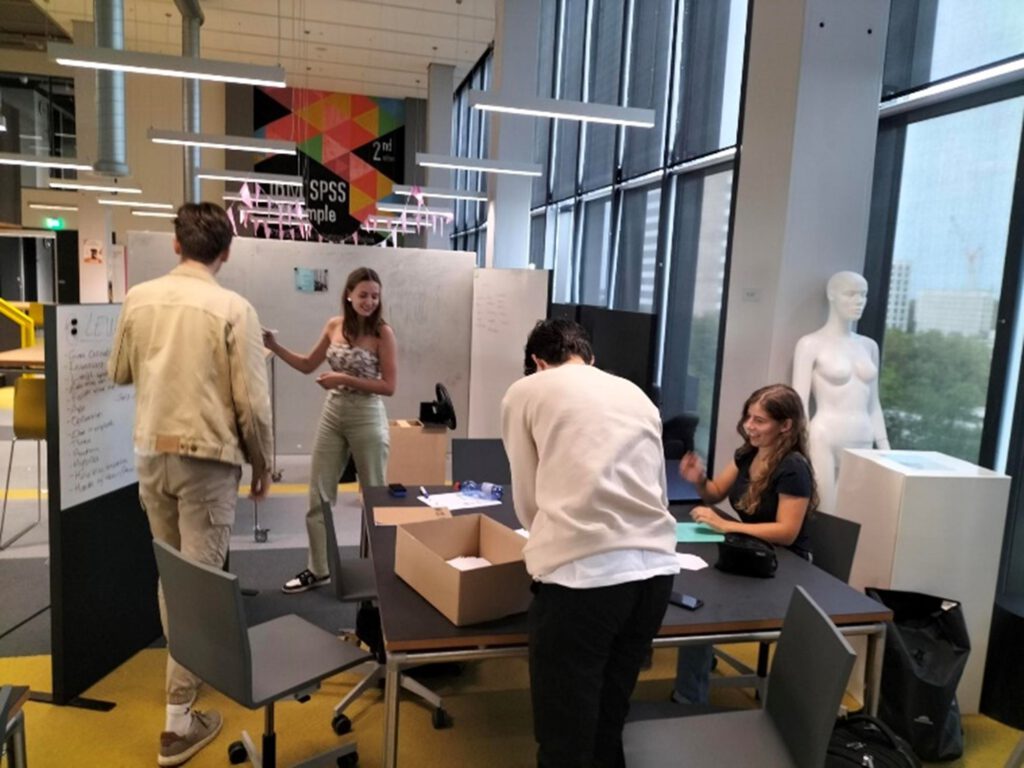
Working with my team during CBL Project 1.
In the second year (B2), this shifted. I became more aware of the consequences of design decisions and the importance of context, stakeholders, and timing within the design process. Through projects involving real clients, users, and communities, I learned that user research must be purposeful and well-timed to truly inform design choices. I also discovered the limitations of dominant perspectives and the value of including diverse stakeholders (such as experts, organisations, and governments) especially when addressing complex societal challenges like sustainability and climate change.
I also developed a strong preference for combining digital and physical design, using technology as a means rather than an end. My experience with business tools, data analysis, and communication helped me understand how design can work well in real-world situations while still supporting social and environmental values.
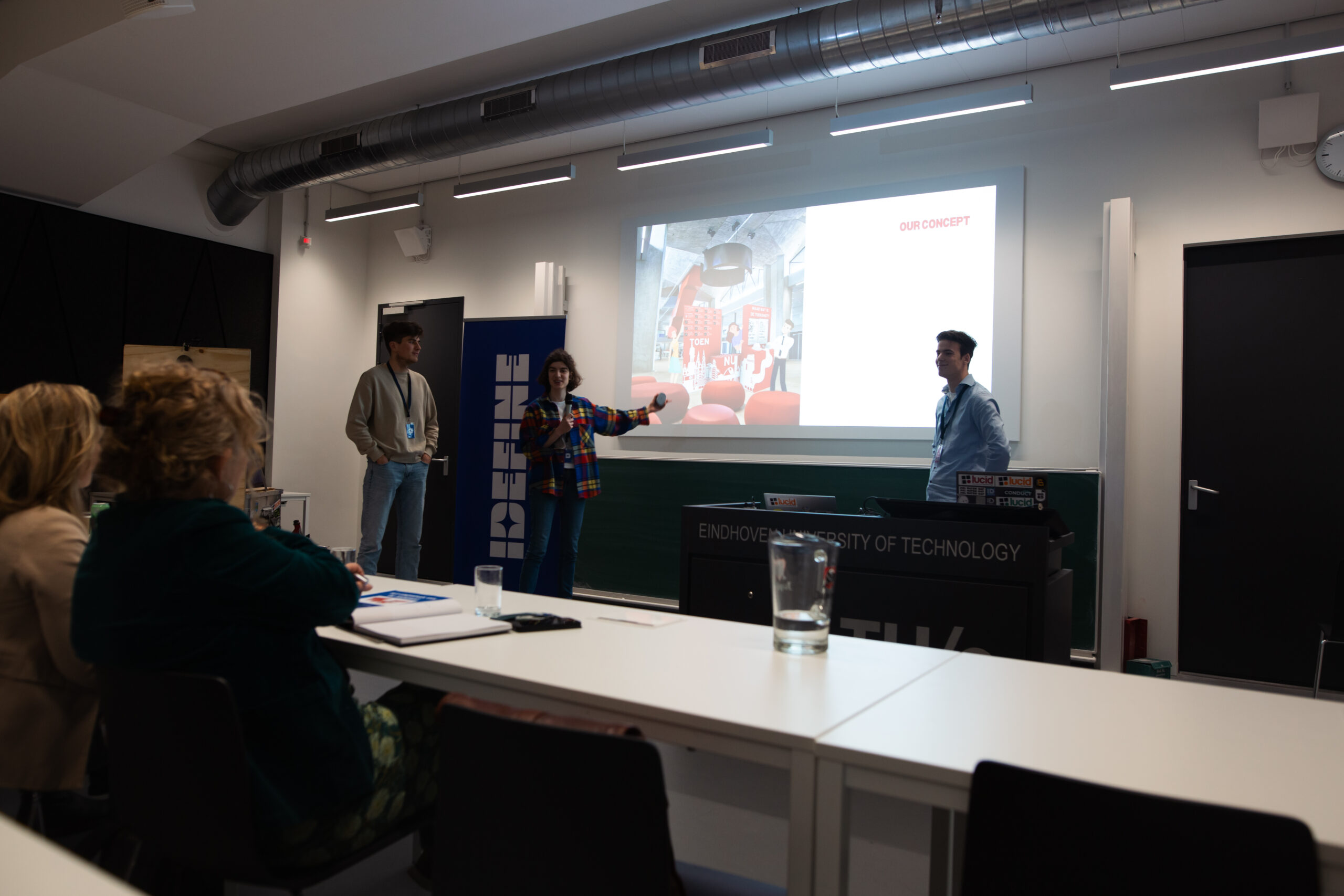
Presenting to the municipality of Eindhoven.
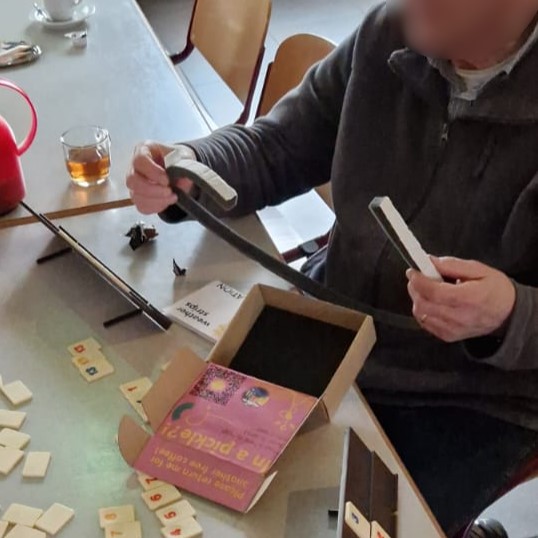
Letting potential users interact with prototypes.
The B1 and B2 experiences shaped my identity as a designer who now aims to create locally grounded, inclusive solutions with broader impact. In the present section, I briefly reflect per expertise area on what I did in B1 and B2 and how this development continues to inform my current direction.
Future
About my future plans...
My next step is the Strategic Product Design master at TU Delft, following the Strategic Design for Social and Sustainable Innovation track. This fits directly with my vision of designing for the relationship between people and nature, going more towards systemic, implementation-focused design. Rather than shifting direction, the master deepens what I have been working towards throughout my bachelor.
TU/e's expertise areas are specific to this program, and I will not adhere to them as strictly going forward. That said, I still see them as relevant areas for my own development and will continue to use them to reflect on where I am growing. You can check out my SMART goals in my live logbook here.
Present
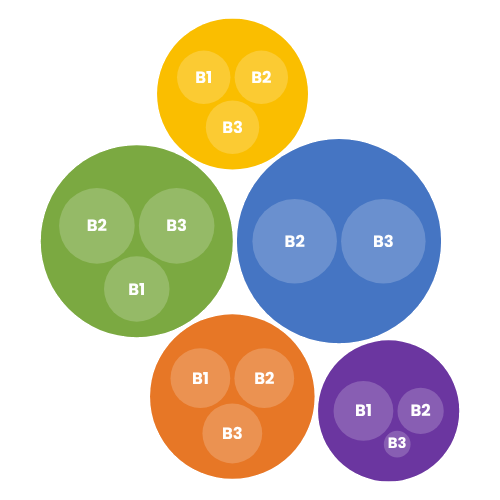
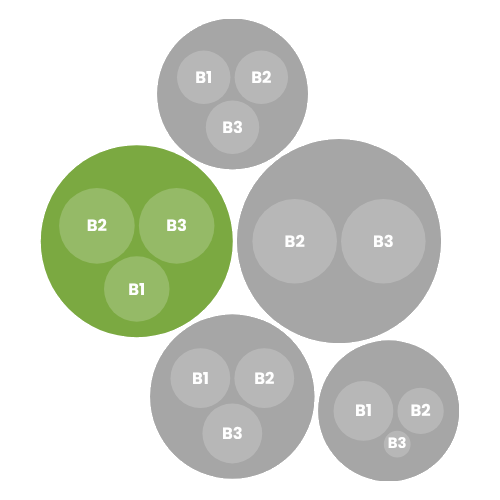
In B1, I mainly based insights on co-creation sessions and cognitive walkthroughs, because it suited the child- and tech-focused projects of that year.
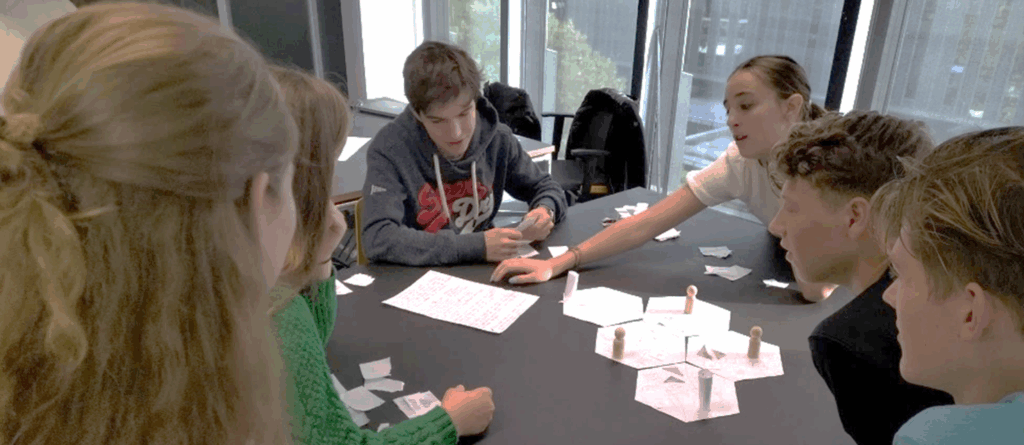
Hosting a cocreation session in CBL Project 1.
In B2, I started using surveys, campus user studies, and community engagement. Dominant perspectives in one project made me rethink my design approach, and ‘going out on the streets’ to gather more diverse voices in another confirmed why this design approach worked, something I reflect on further under DRP.
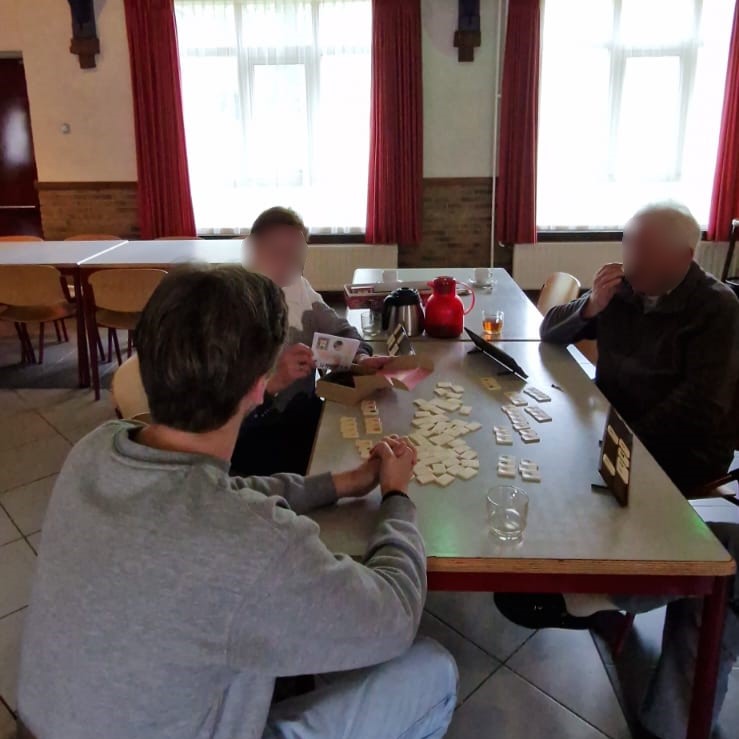
Talking to community members during a meeting hour.
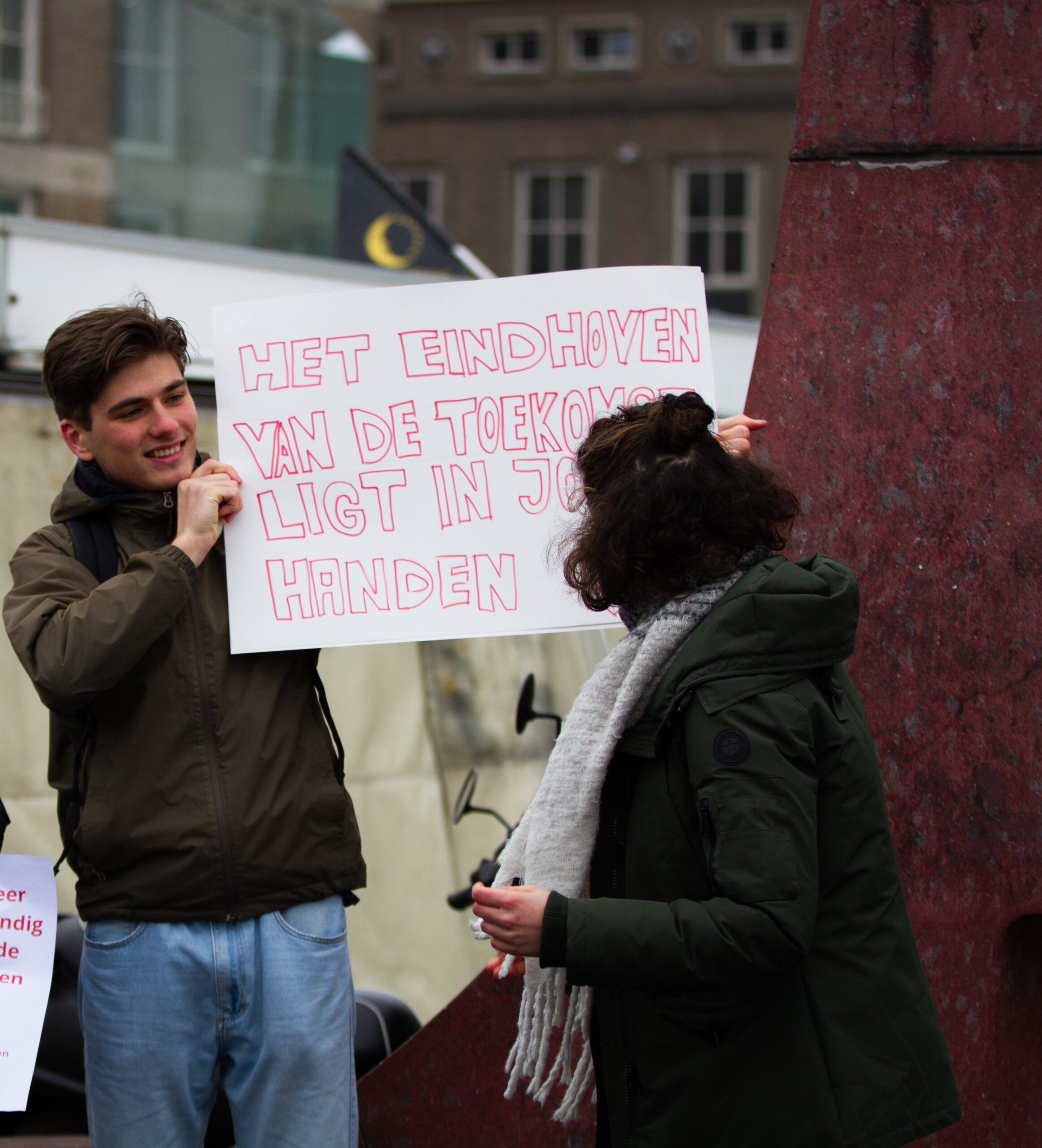
Asking the people of Eindhoven about their opinions of the city in the future.
Then came my exchange in B3.1 to KTH in Stockholm. This university’s focus on the UN Sustainable Development Goals, but also the 14 EU megatrends showed me how global challenges and trends can and should inform design decisions. Understanding these helps me make more grounded and strategic choices when working on projects with ecological or societal impact. Interaction with peers from very different backgrounds in Stockholm also reminded me of the importance of context when designing locally.
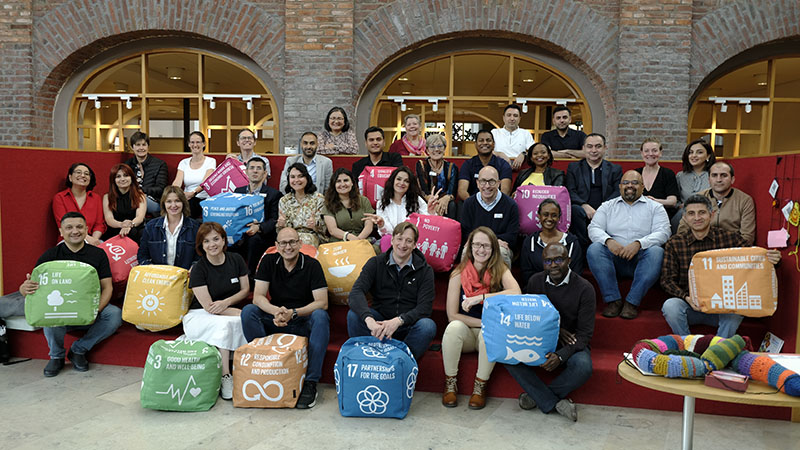
The SDG cubes in the KTH Library (photo from kth.se)
During my FBP, I put this EA into practice more than in any previous project. I conducted interviews, observations, prototype testing, and expert validations, the latter also connecting to BE. Because my project addressed social acceptance of urban rewilding, I ultimately also ‘designed for nature’ itself and therefore also did fieldwork in Tilburg and the Loonse en Drunense Duinen to get an understanding of the environment I was designing within, better grounding my work.
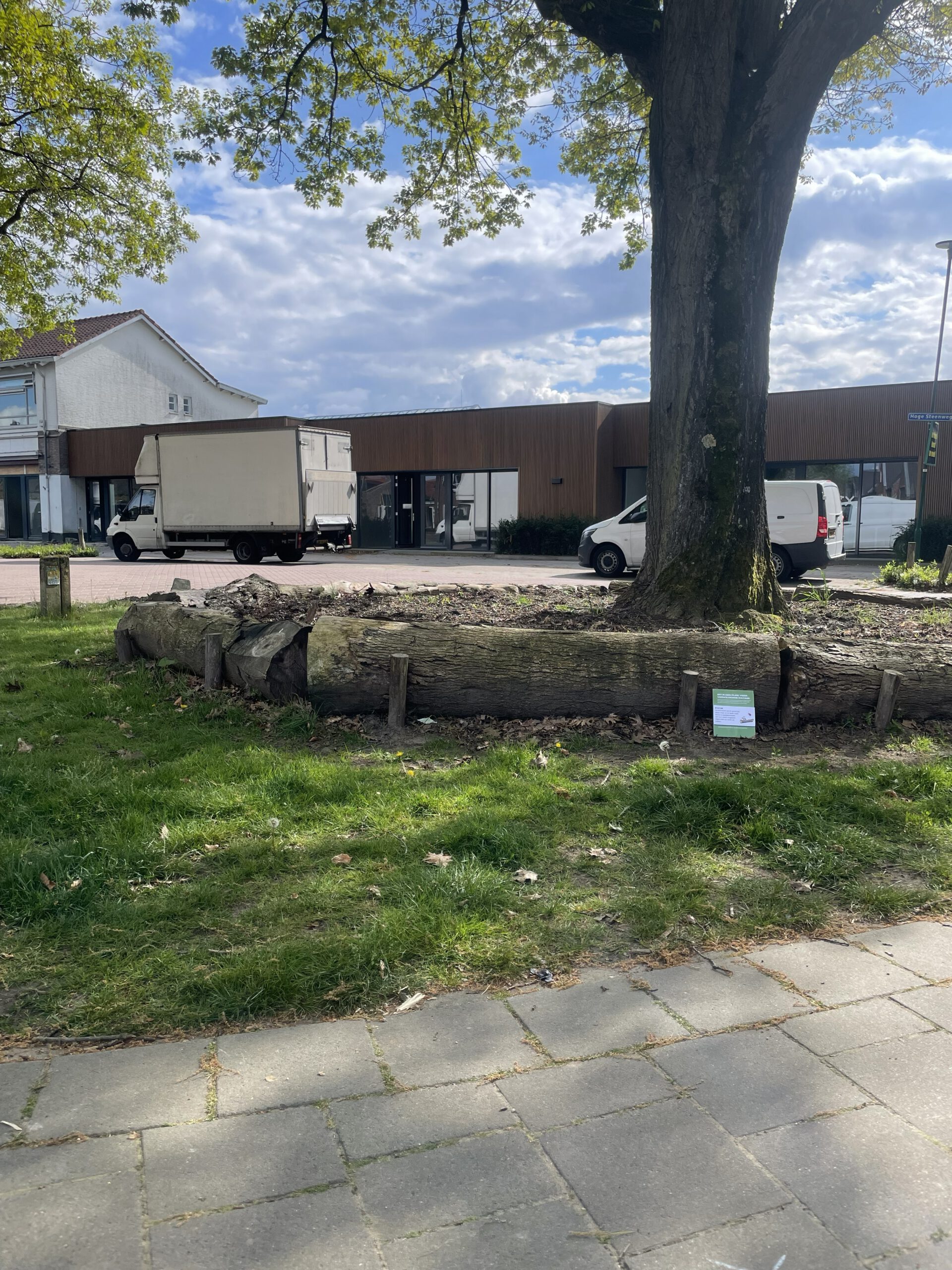
Point of view for observation followed by an interview.
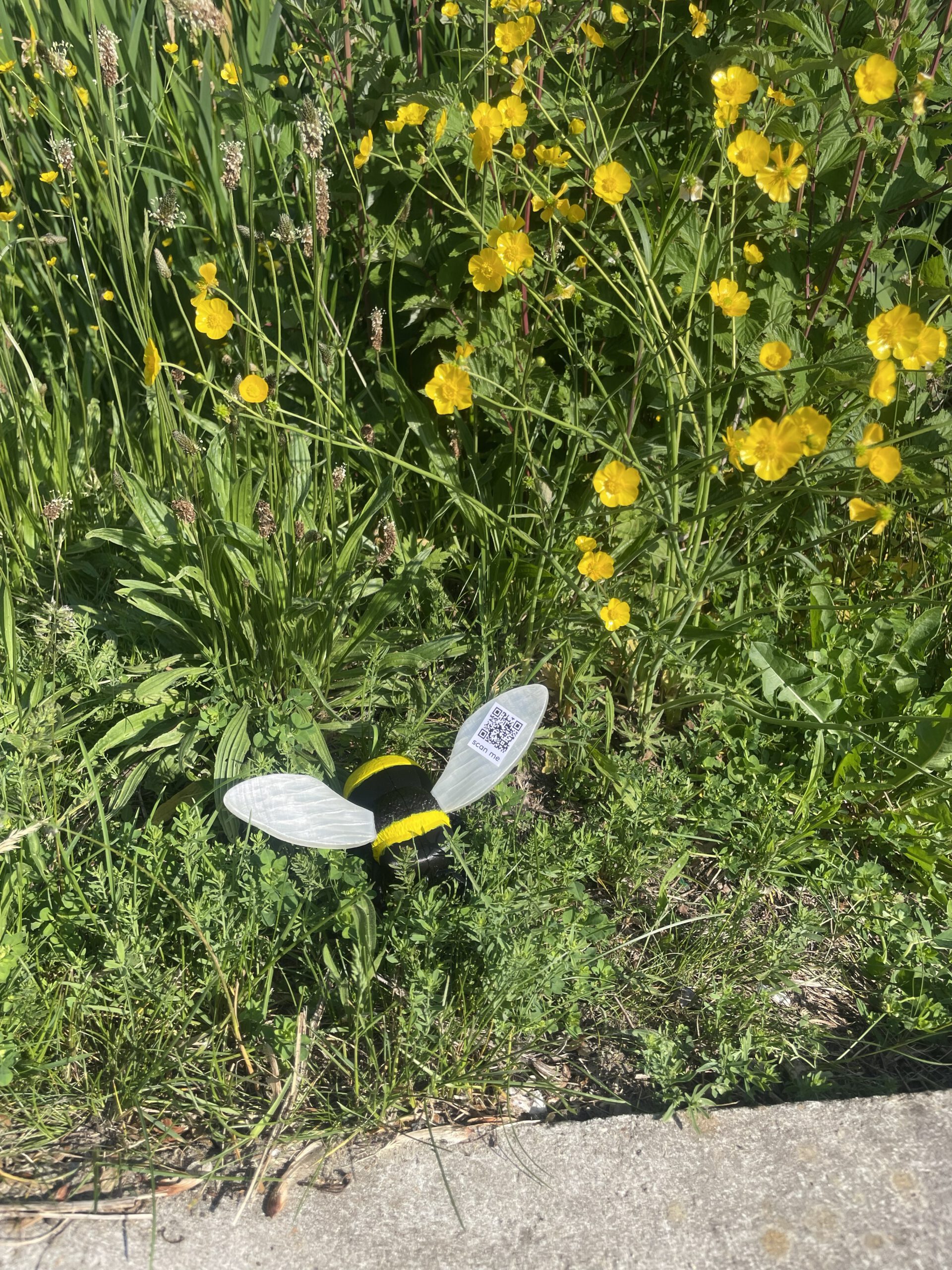
Testing a prototype, prompting passerby to scan and leave feedback.
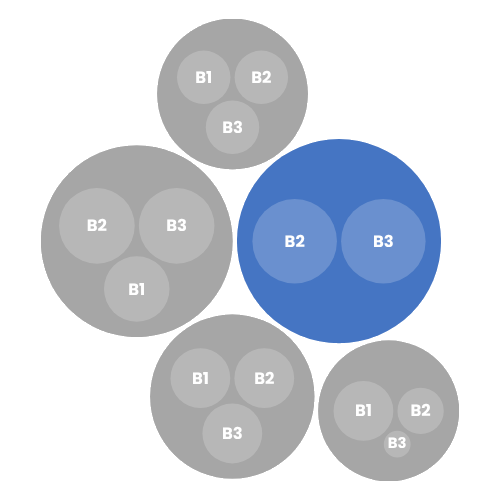
Starting in B2, I gained practical experience in this EA by working as a visual designer for clients, learning invoicing, expectation management, and communication. Furthermore, the course ‘Design Innovation Methods’ and projects like IDefine and LightLock showed me how business thinking (with tools such as PESTLE, value laddering, and sustainable business models) can also serve societal and nature-based goals.
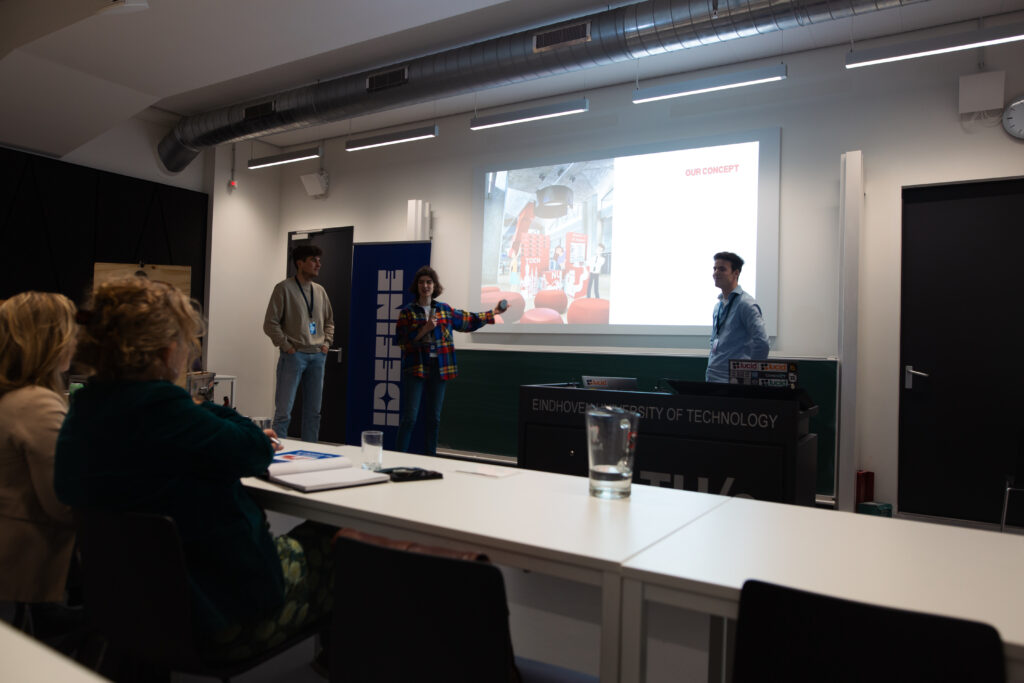
Presenting our solution for IDefine to the municipality of Eindhoven.
During my exchange at KTH, concepts like effectuation taught me to work creatively with available resources and start small without waiting for perfect conditions, a mindset I saw applied directly to Klipsie. I also learned about problem-solution fit and product-market fit, which showed me how user-centred thinking (US) is also essential for business strategy. Furthermore, a ‘Green Economics’ course framed climate change as financial risk, which I found does not fully resonate with my values (PI), but it did teach me how framing it like that can persuade organizations to invest in nature-focused solutions while I stay true to my vision.
Having set a goal to work closely with (nature-focused) organizations for my FBP, I engaged an ecologist as my client and validated my concept with two external experts. I also applied tools such as PESTLE, service blueprinting, and value laddering throughout. Both the practical BE experience and application of theoretical tools made my FBP the most complete end-to-end business experience of my bachelor so far.
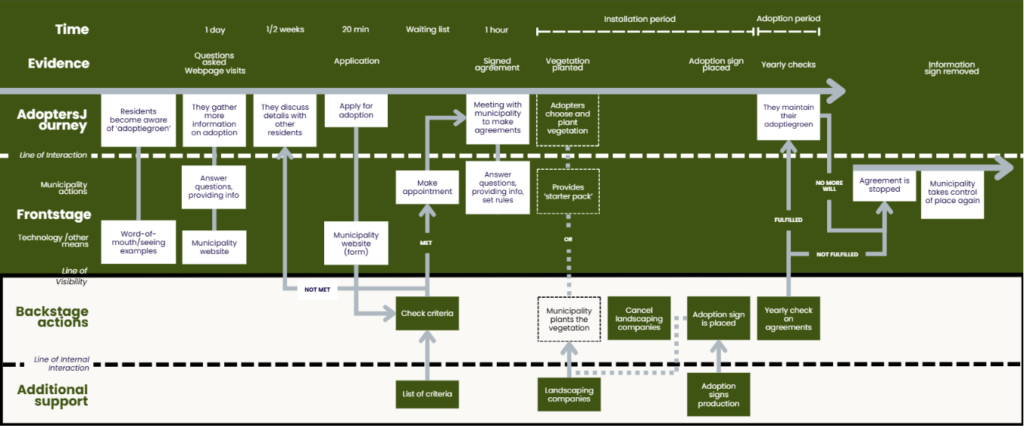
A service blueprint made to map the process of residents adopting vegetation from the municipality.
In my master, which will be more focussed on strategy (more in Future), I would like to go one step further by turning design outcomes into possible partnership or funding proposals, something essential for the strategic, impact-driven vision I am moving towards.
Before university, I already enjoyed photo and video editing and graphic design, but I later realised my creative process was just intuitive. In B1, ideation tools like brainwriting pushed me to think more outside-the-box, which felt unfamiliar at first but actually boosted my creativity.
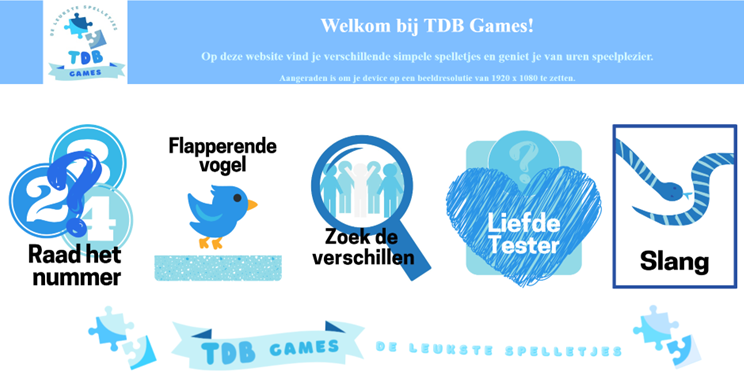
A proto website I made in secondary school.
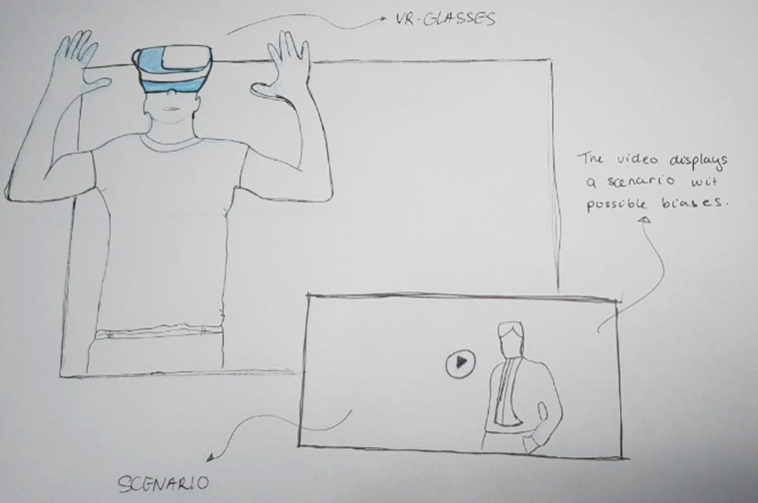
A creative concept during CBL Project 1 through brainwriting.
Working in interdisciplinary teams during B2 showed me that creativity is not only an individual skill but something that can come through collaboration. My P3 (LightLock) redesign taught me the aesthetic and conceptual value of physical, app-free designs, while joining Klipsie still made me apply my graphic and web design skills to a socially driven start-up (BE), which also suits my vision.
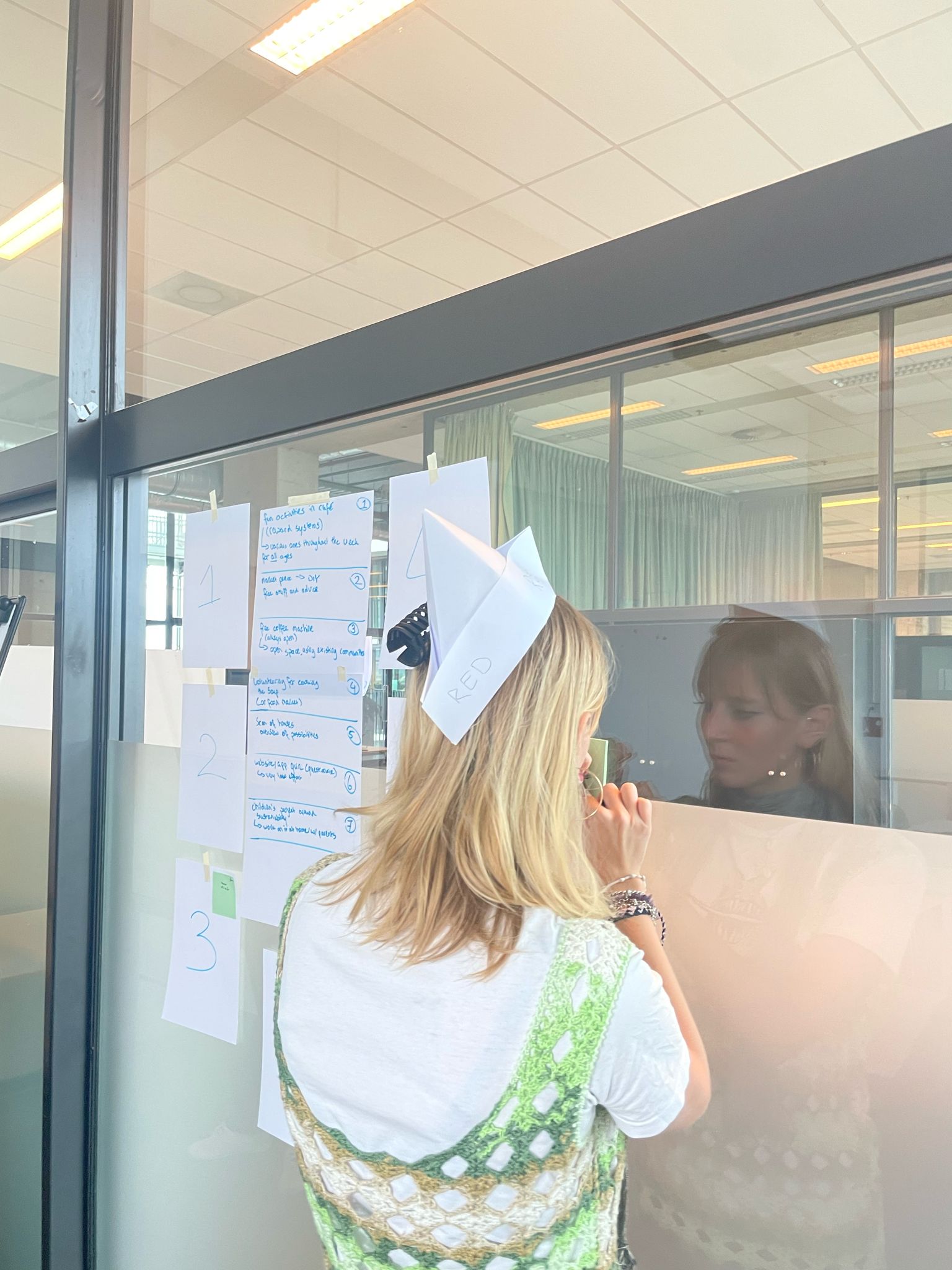
Using the Six Hat Thinking Method in an ideation session.
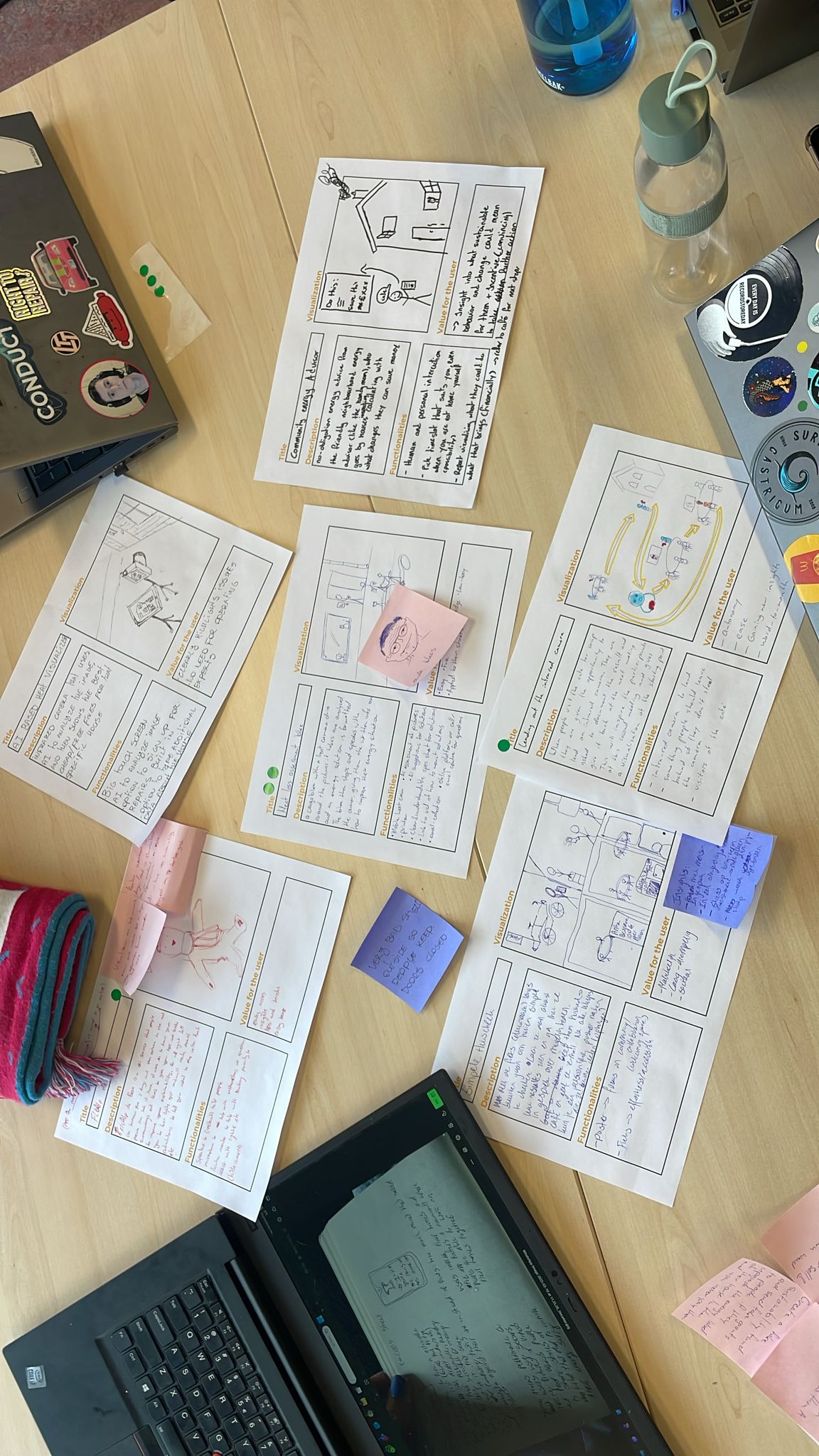
Using concept sheets in an ideation session.
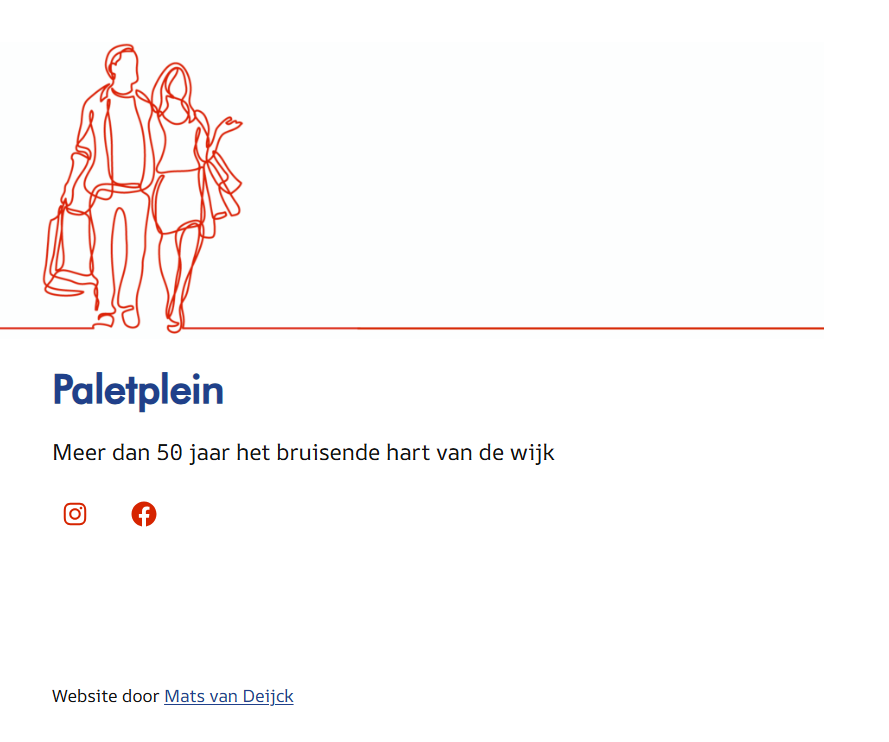
The footer of a website I made for a client.
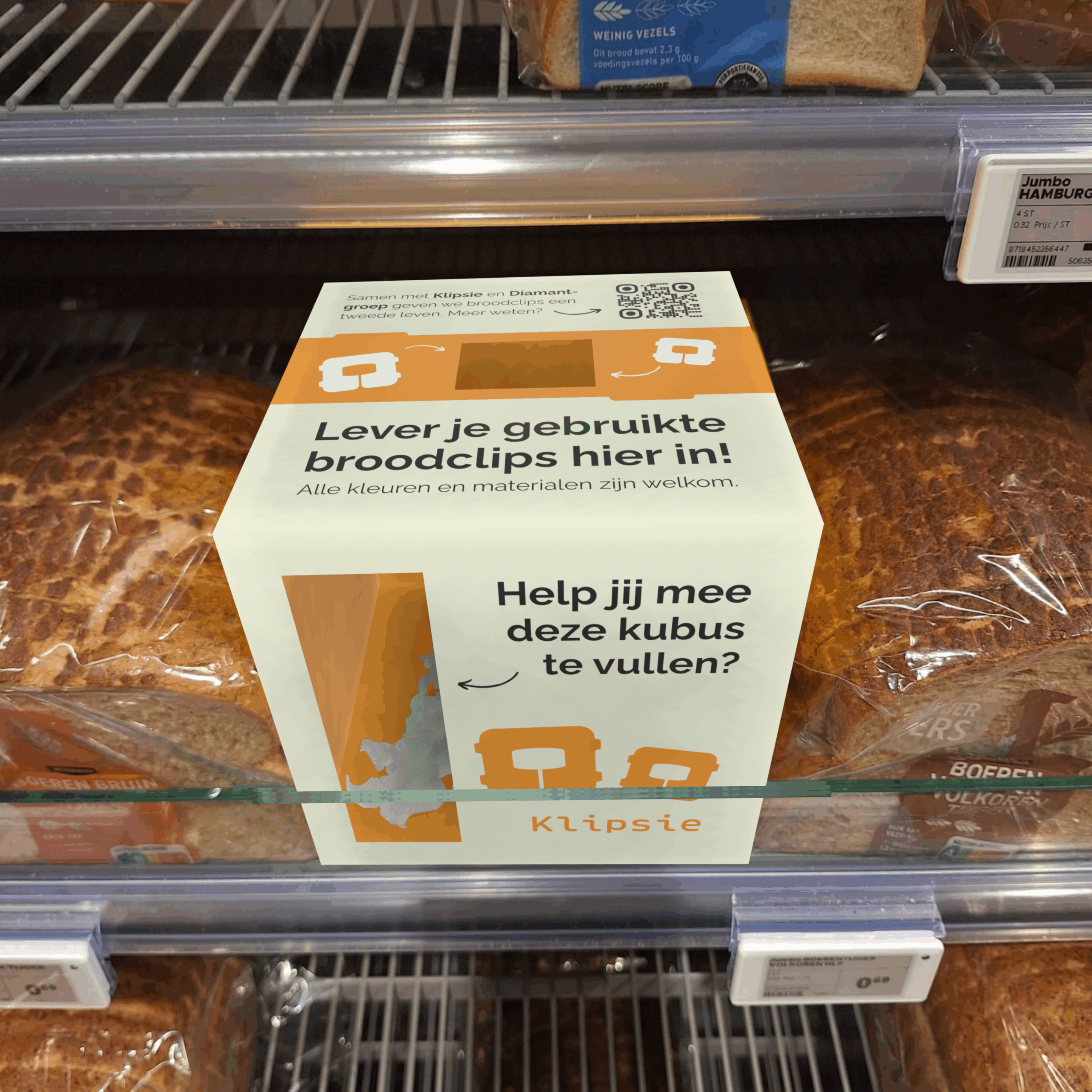
A collection cube I designed for Klipsie.
During my exchange in B3.1, I began integrating AI tools into my visual designs for the first time, using them for example to generate graphic designs for Klipsie. This saved time and still did not fall short on aesthetics, so I did the same for my FBP (more in MDC).
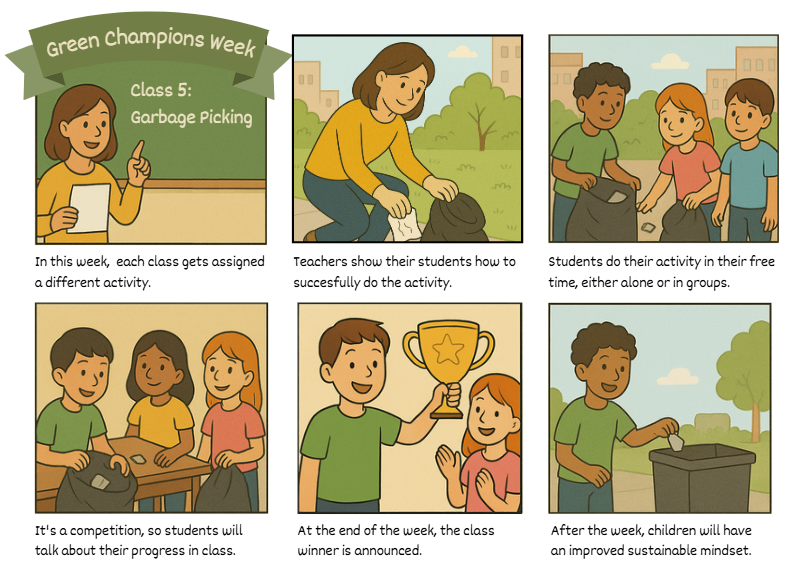
A storyboard for a course made by AI.
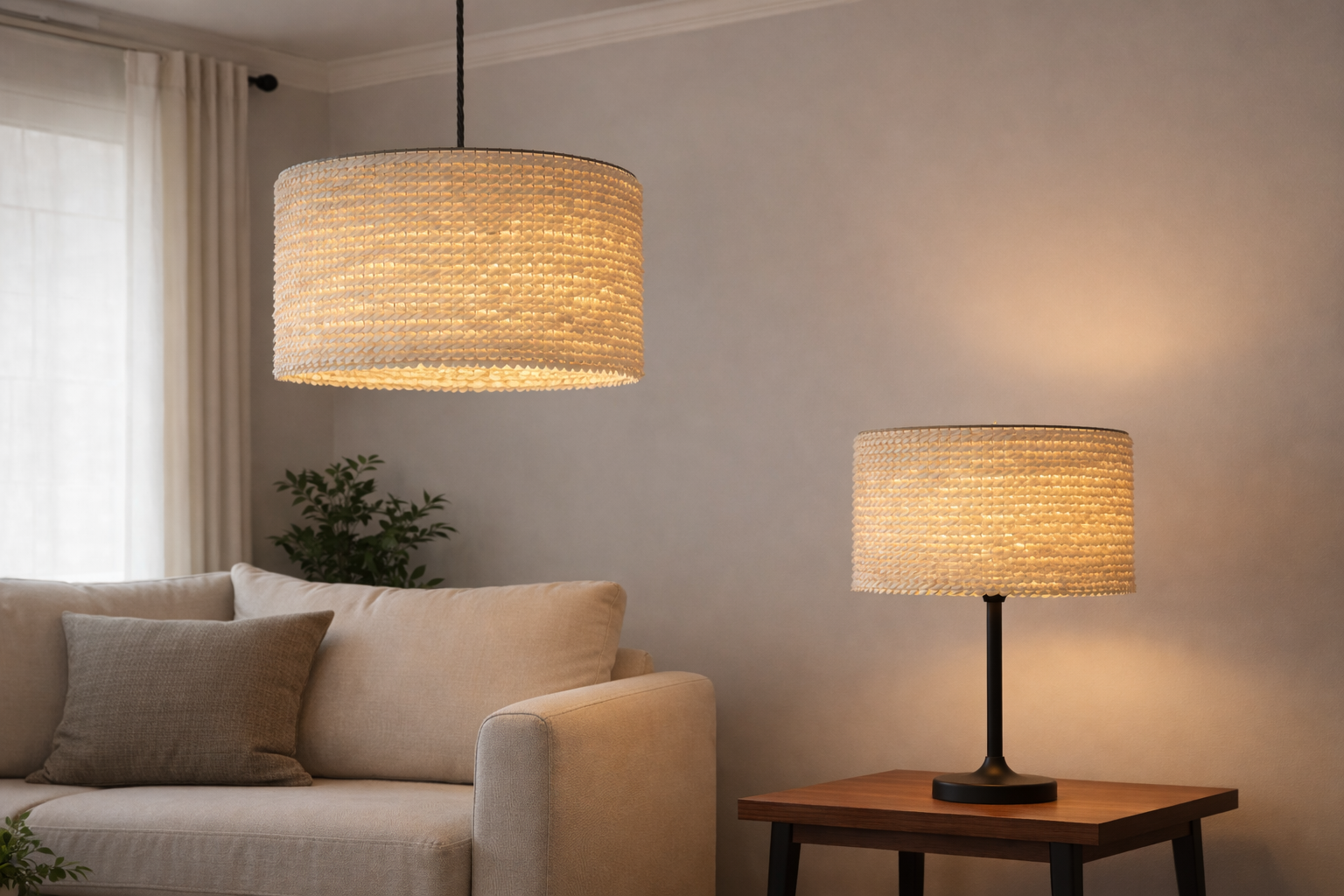
An AI generated image of Klipsies in a living room.
During my FBP, I also deliberately applied a wide range of ideation methods, including Crazy 8's (from a KTH course), ‘Imposing constraints’, and a collaborative ideation session. Choosing creative methods consciously based on the phase in the DRP resulted in more and better ideas than I had generated in earlier projects. In my master, I want to keep developing this intentionality, both in how I use AI as a creative tool and in how I select and combine ideation techniques.
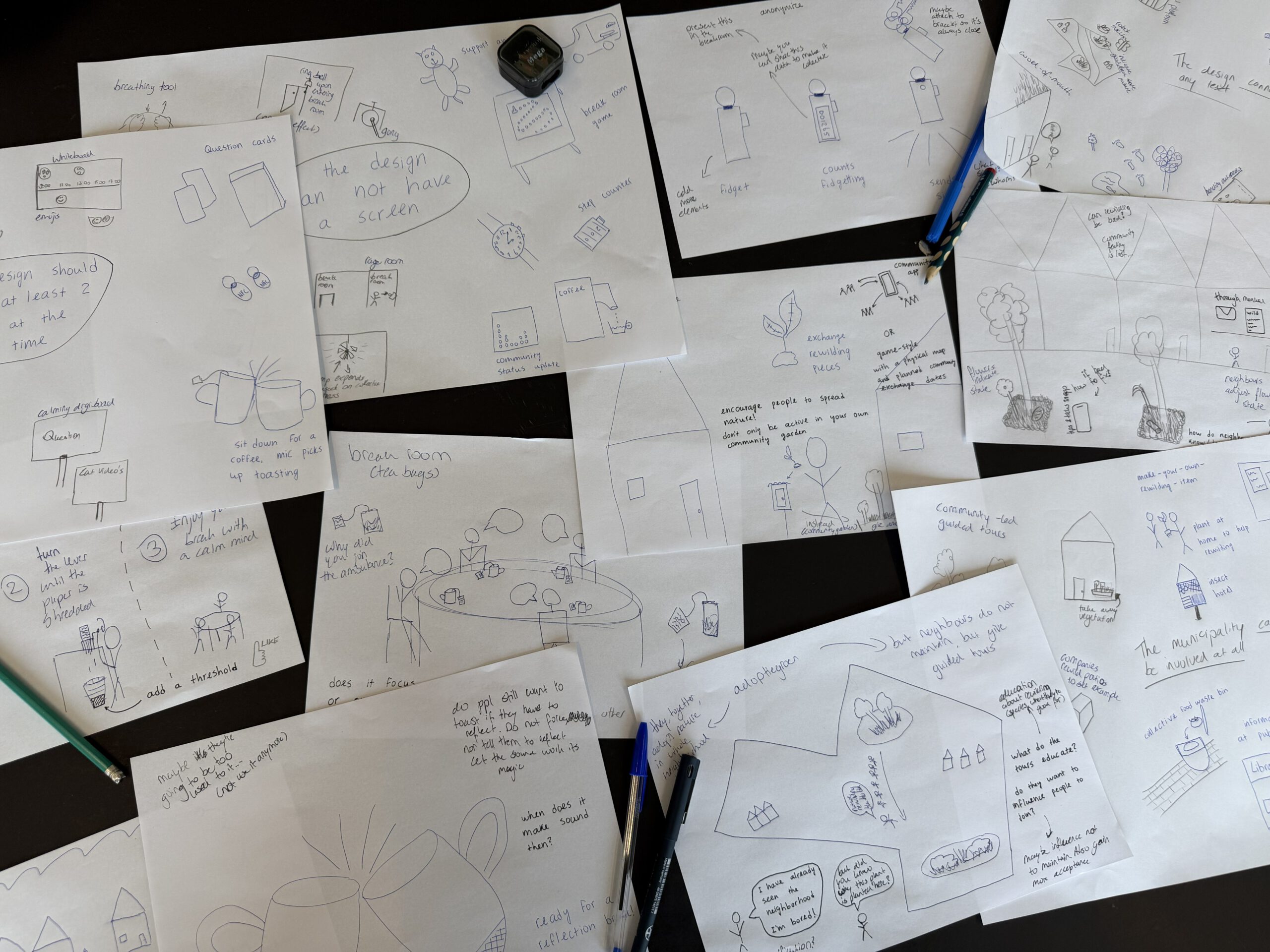
Results from brainwriting and 'imposing constraints'.
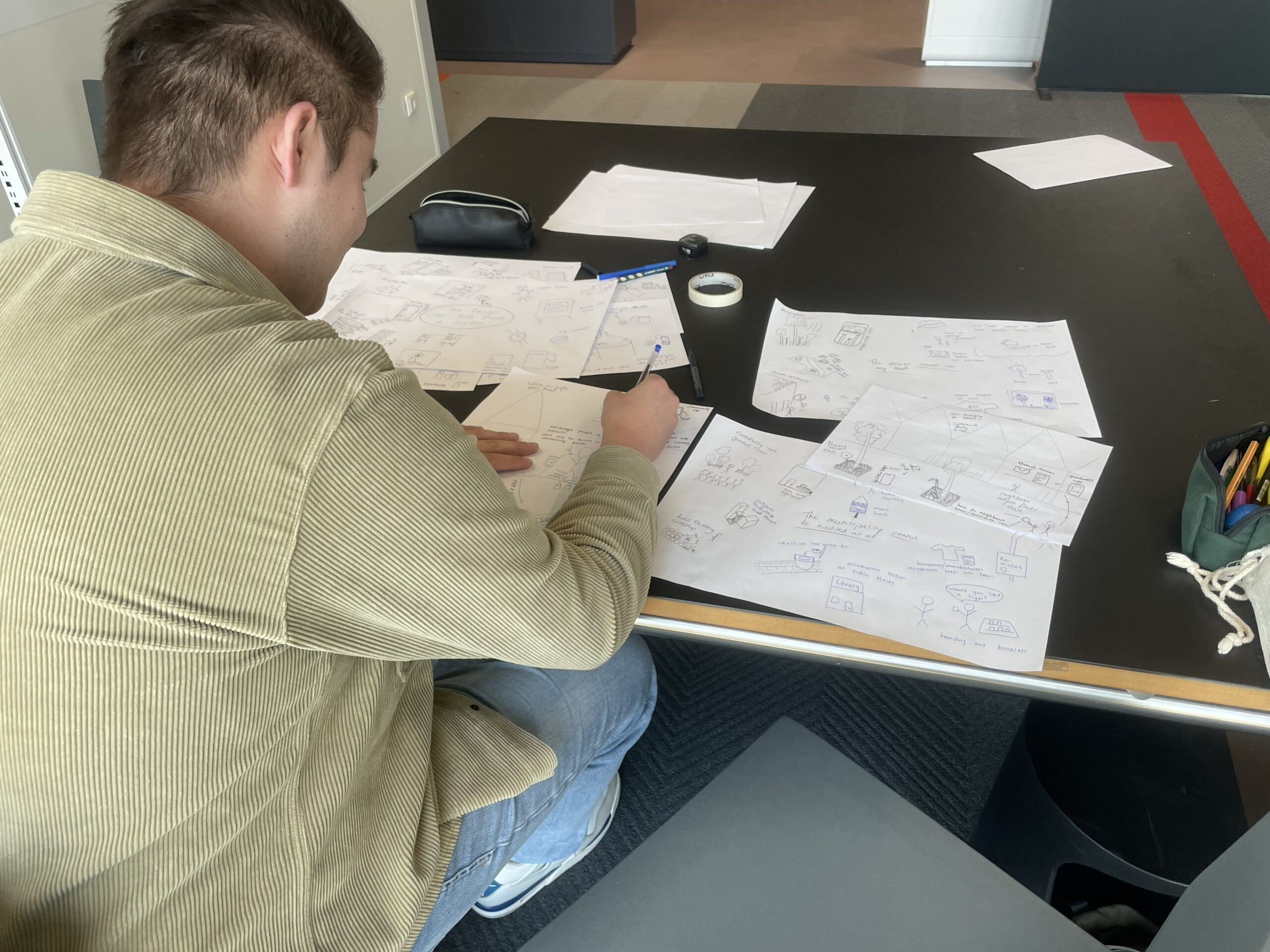
The collaborative ideation session.
In B1, I built a broad and strong prototyping foundation: workshop materials, electronics, and 3D rendering.
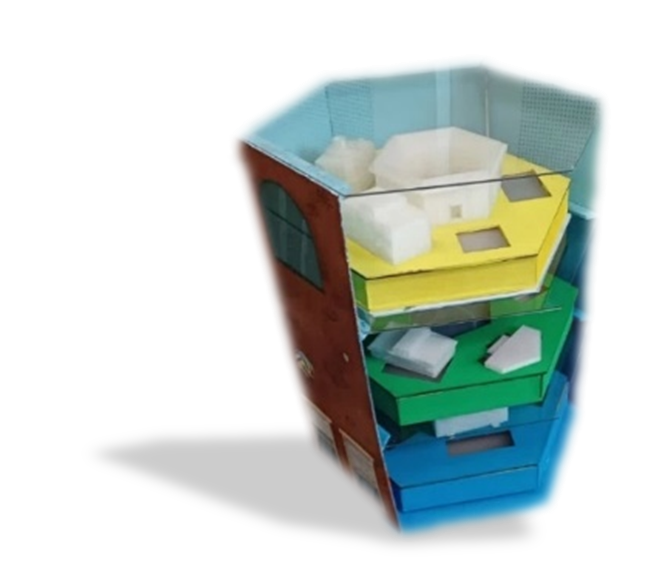
A box made out of multiple materials for CBL Project 1.

A 3D model used for an animation during CBL Project 1.
Creating a dancing plant with electronics and mechanical components.
In B2 I applied these skills more purposefully, for example building physical constructions. I also got to learn digital prototyping in Figma, which I then used to redesign my own website.
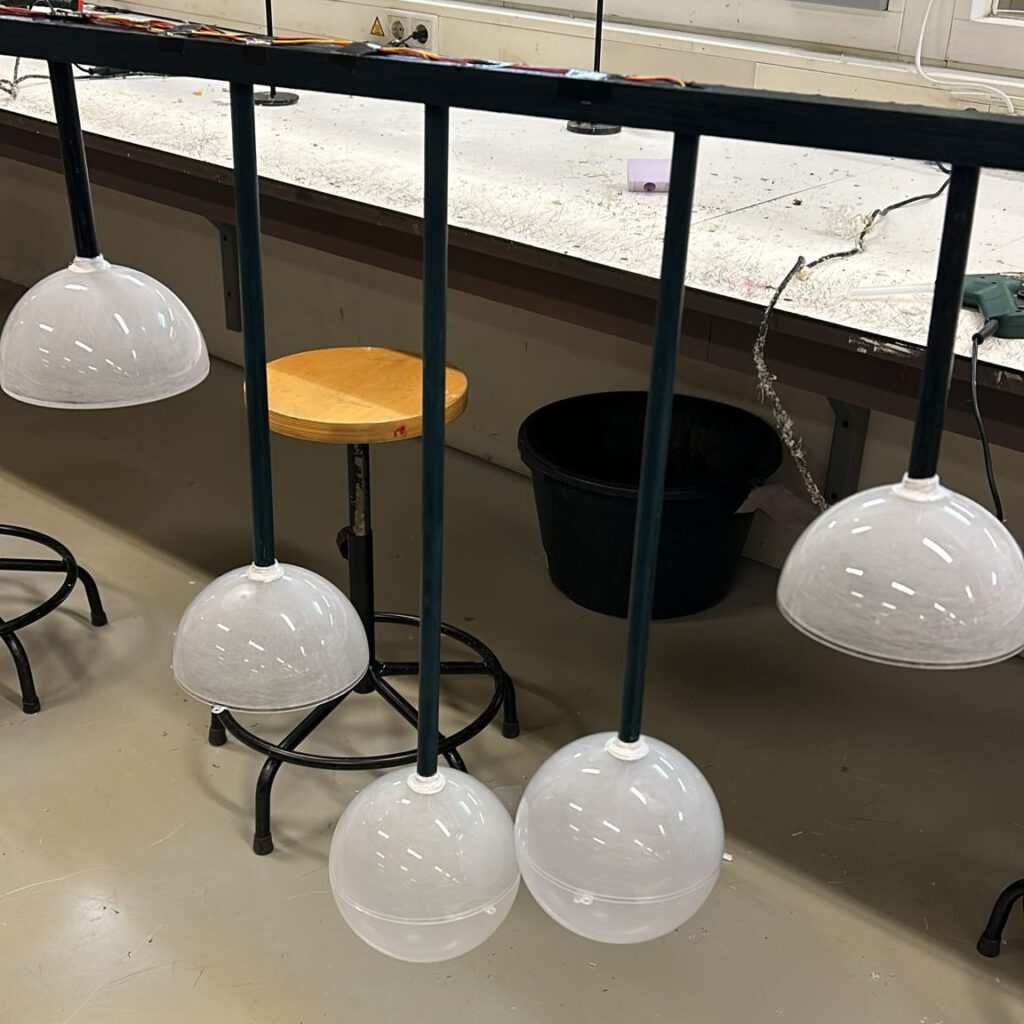
Building the lamp structure for LightLock.
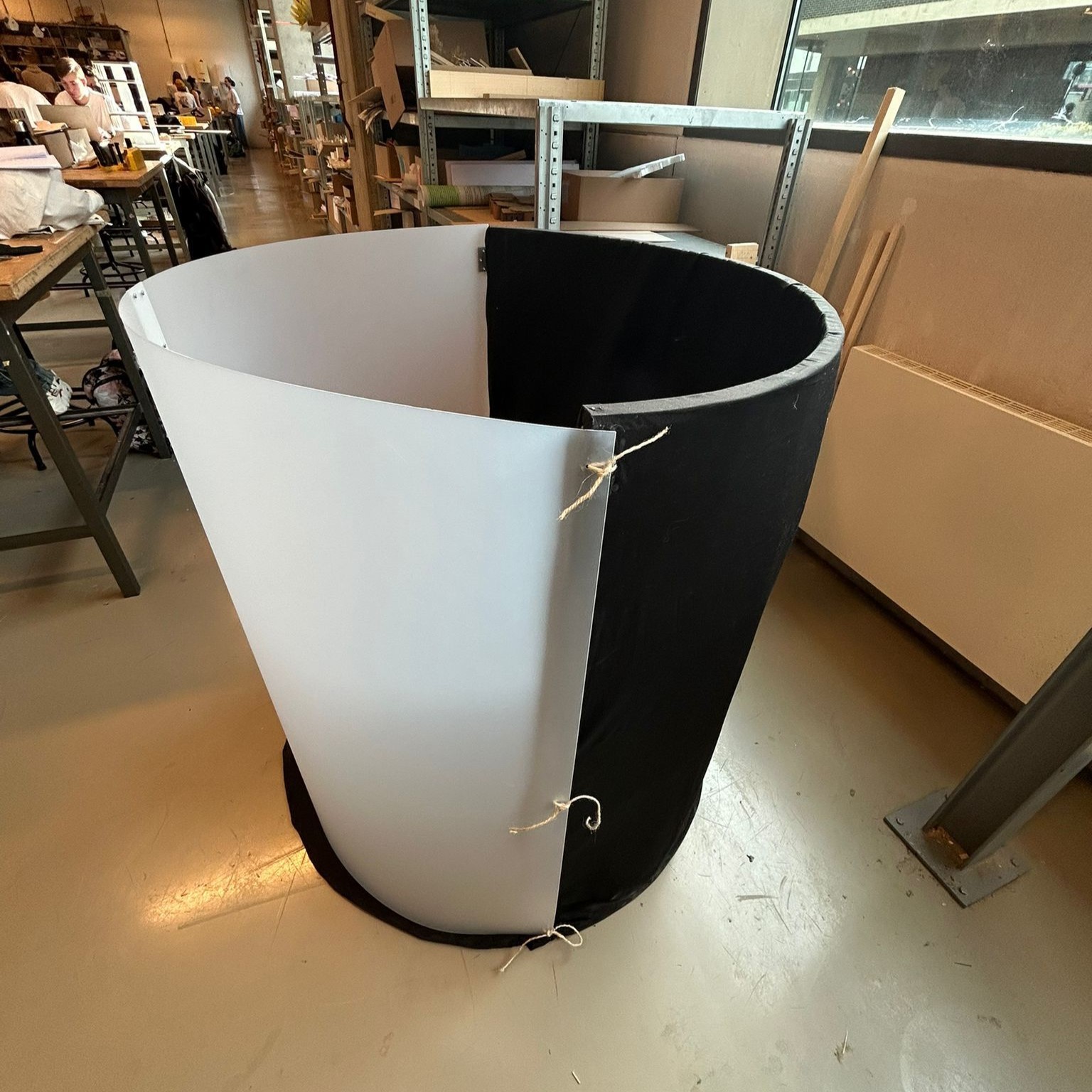
Creating a ball pit for an 'immersive experience'.
Creating a 3D render of a collection cube for Klipsie.
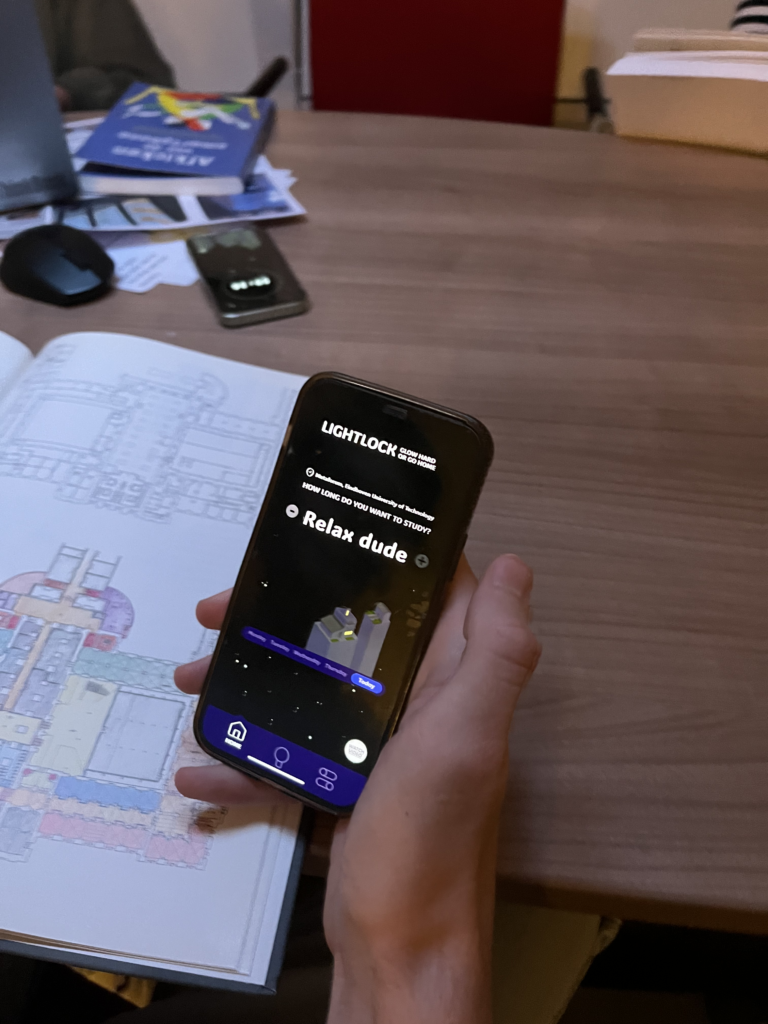
One frame of the app prototype for LightLock, made with Figma.
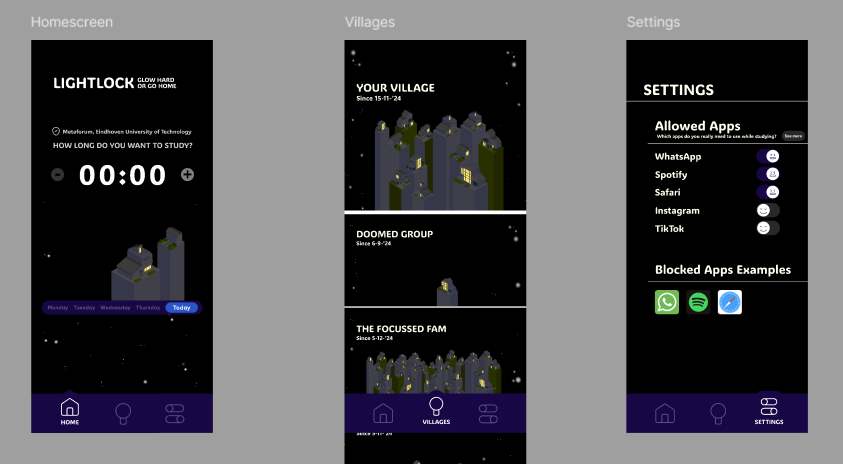
A screenshot from the Figma frames for LightLock.
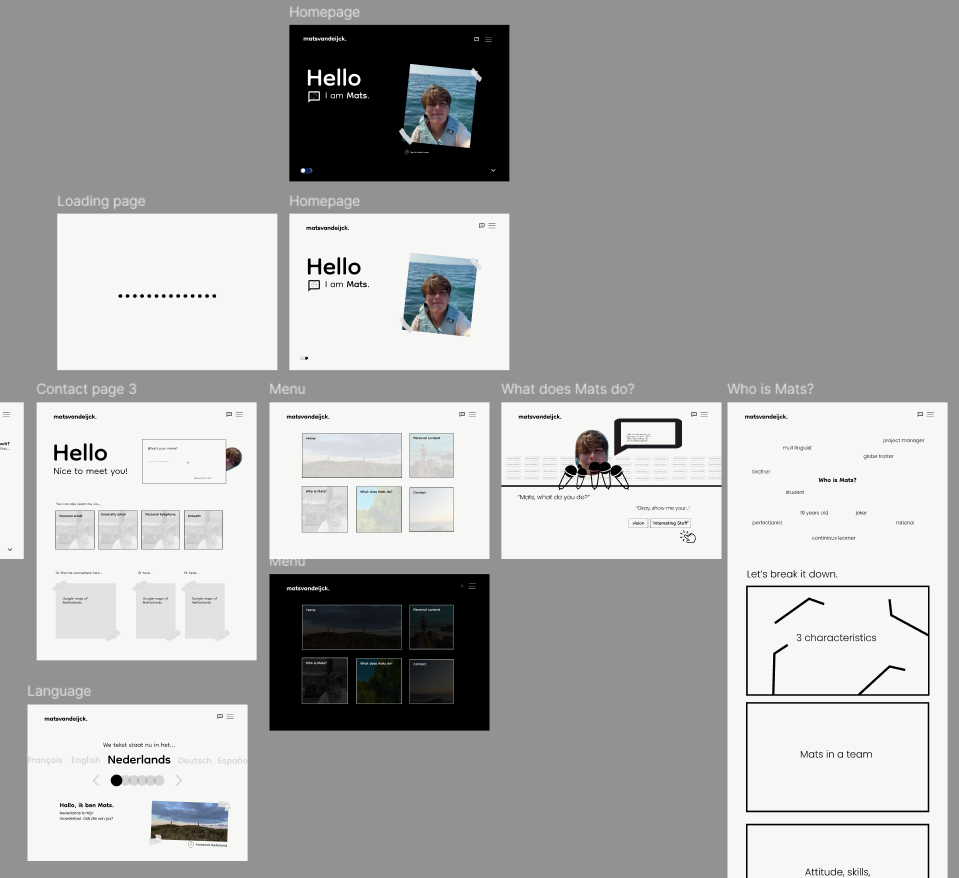
A screenshot from the Figma frames for my website.
In B3.1, I extended my digital skills by building a fully functional webshop for Klipsie. While e-commerce is not central to my design vision, the experience showed me that technical realization skills can actually support social entrepreneurial ambitions (BE).
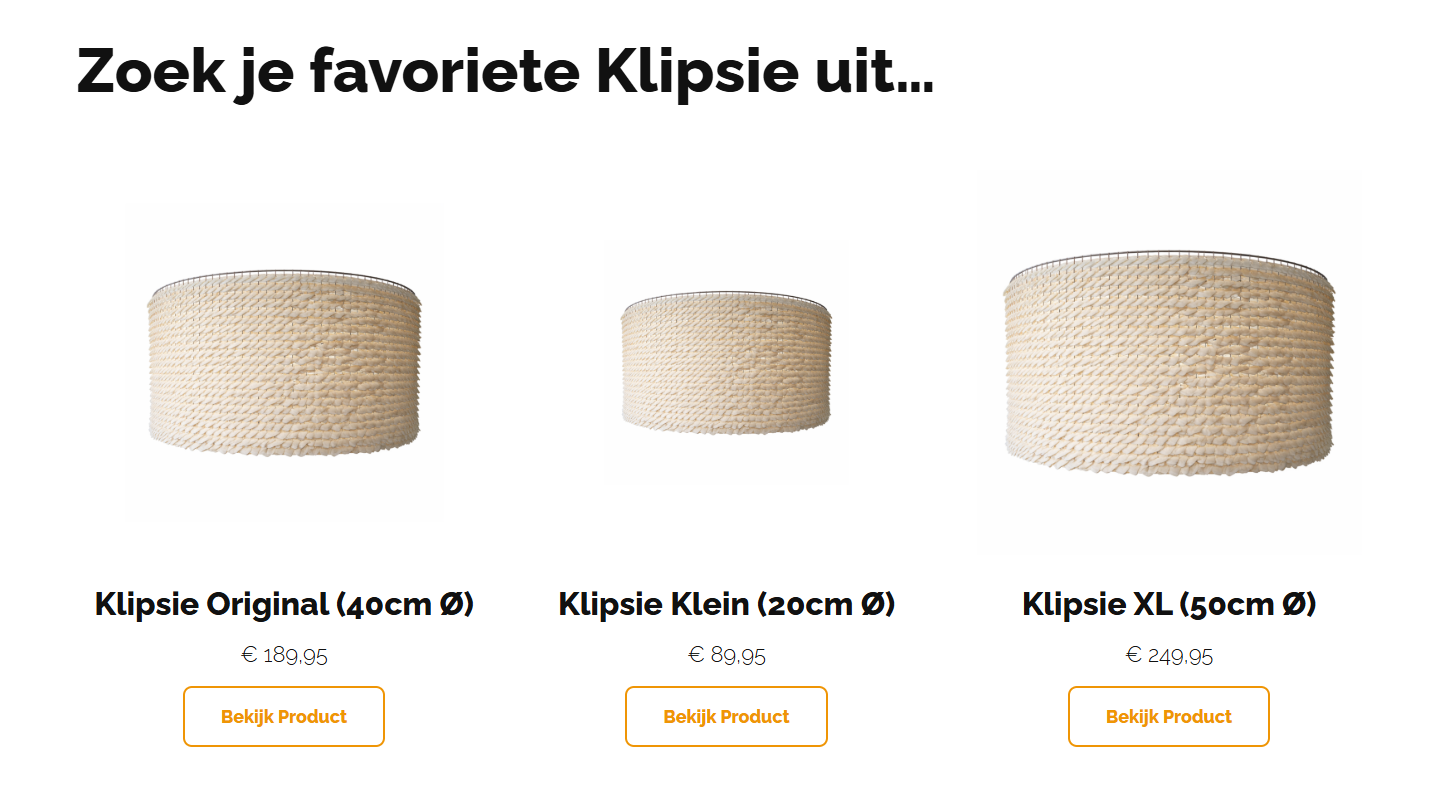
A screenshot from Klipsies webshop.
Finding the value of physical prototypes during P3 (as stated in CA) made me set the goal to build one in my FBP. So I 3D printed three insect models, but instead of building them from scratch, I adapted existing open-source 3D models. This experience did improve my 3D modelling skills by merging objects, cutting parts, and reshaping meshes. It was also a deliberate choice aligned with my PI of moving fast through the design process. I also built a fully custom-coded online platform for Wildzoekers, which I reflect on further under MDC.
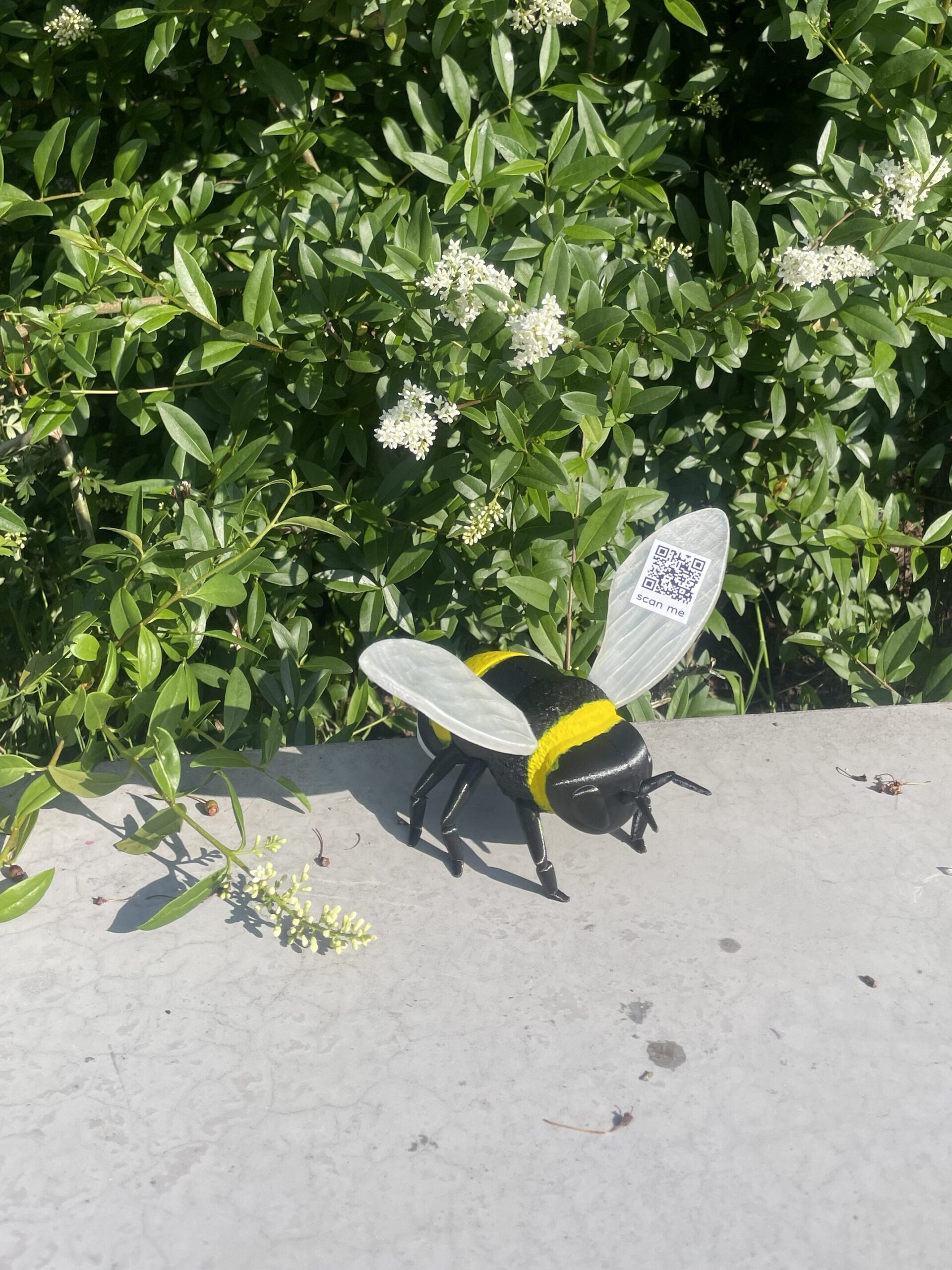
More time to test the 3D-printed bumblebee prototype.
Bee by SparkyFace5 | Download free STL model | Printables.com. (n.d.). Printables.com. https://www.printables.com/model/242263-bee/files
These experiences taught me to choose prototyping methods based on what the project actually needs. In future nature-based projects, I will consciously document why I choose each prototyping method, to build a more intentional approach to technical realization.
In B1, I learned the basics of many coding languages such as Python, C/C++, and Java for prototyping and data analysis.
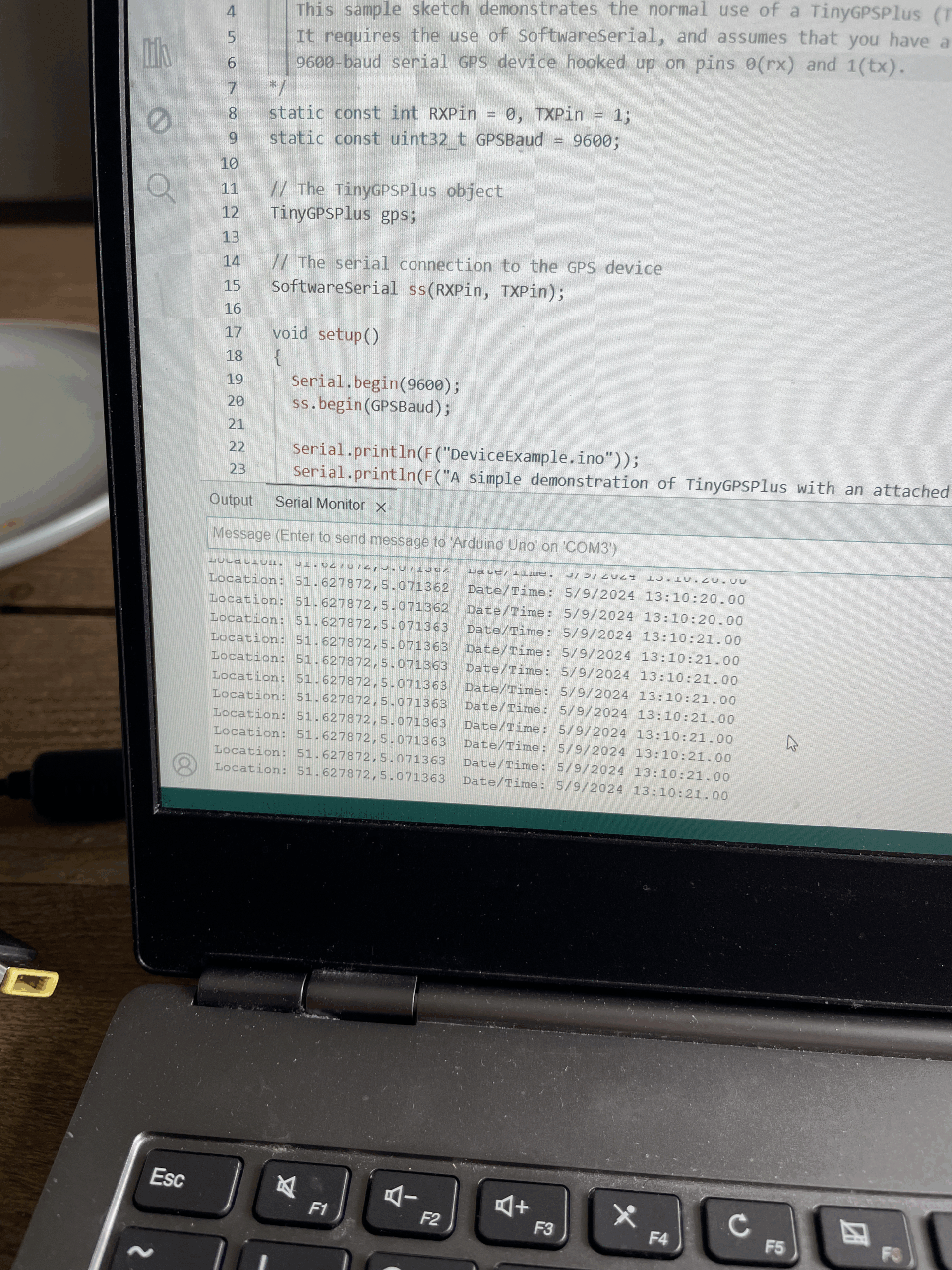
Using Arduino code to sense the location of the object for CBL Project 2 (Year 1).
Building on this basis, I custom coded my personal website and analysed and visualised survey data for P3, the latter teaching me how to turn information from user testing into clear insights, connecting MDC to US.
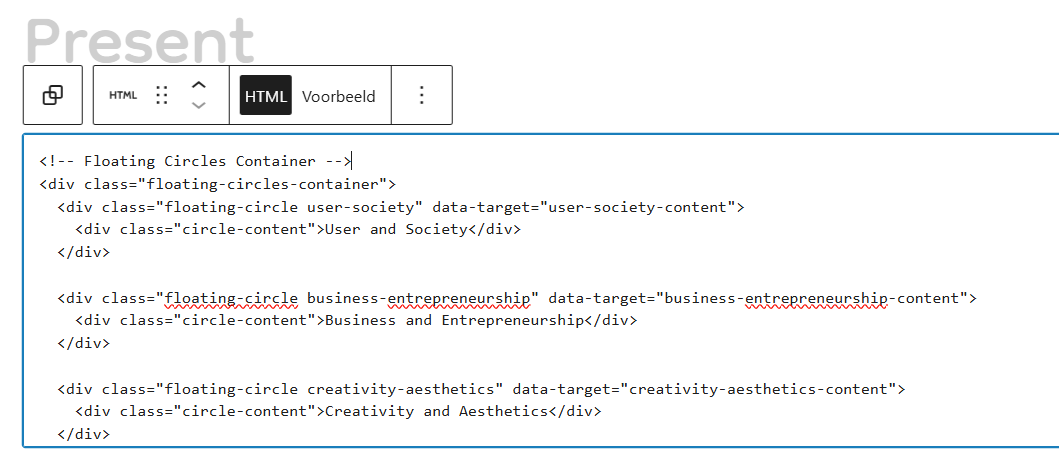
An example of the 'Behind the Scenes' for this page...
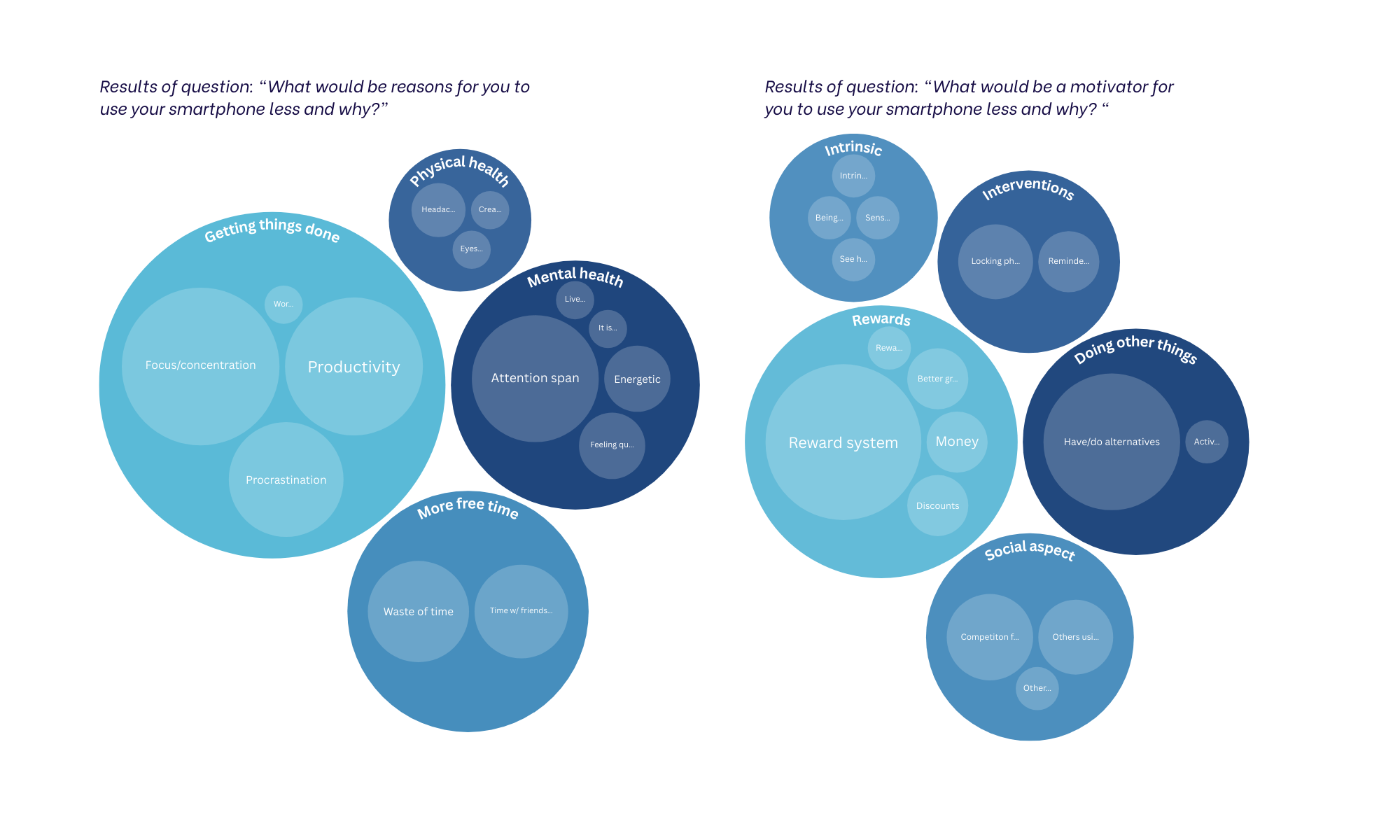
Visualisations of two open questions from the survey for LightLock.
I had set a goal to also create at least three impactful data visualisations in my FBP, but my qualitative research approach yielded little quantitative data. I do see the importance of data visuals and how they can communicate insights effectively and engage stakeholders like nature managers, which aligns with my PI as a coordinator and with my vision of including many stakeholders in an engaging manner. During my master, I want to intentionally incorporate quantitative data collection to address this. Luckily for me, there are master courses on this!
During my FBP, I realized a fully custom-coded online monitoring platform for Wildzoekers using AI as a co-creator (as stated in TR), directing and modifying AI-generated code rather than starting from scratch. Learning how localStorage can simulate a fully functioning platform was a concrete technical gain (which I now also use to navigate this portfolio webpage!). This reflects my broader belief that working fluently alongside AI is more valuable than mastering coding languages independently.
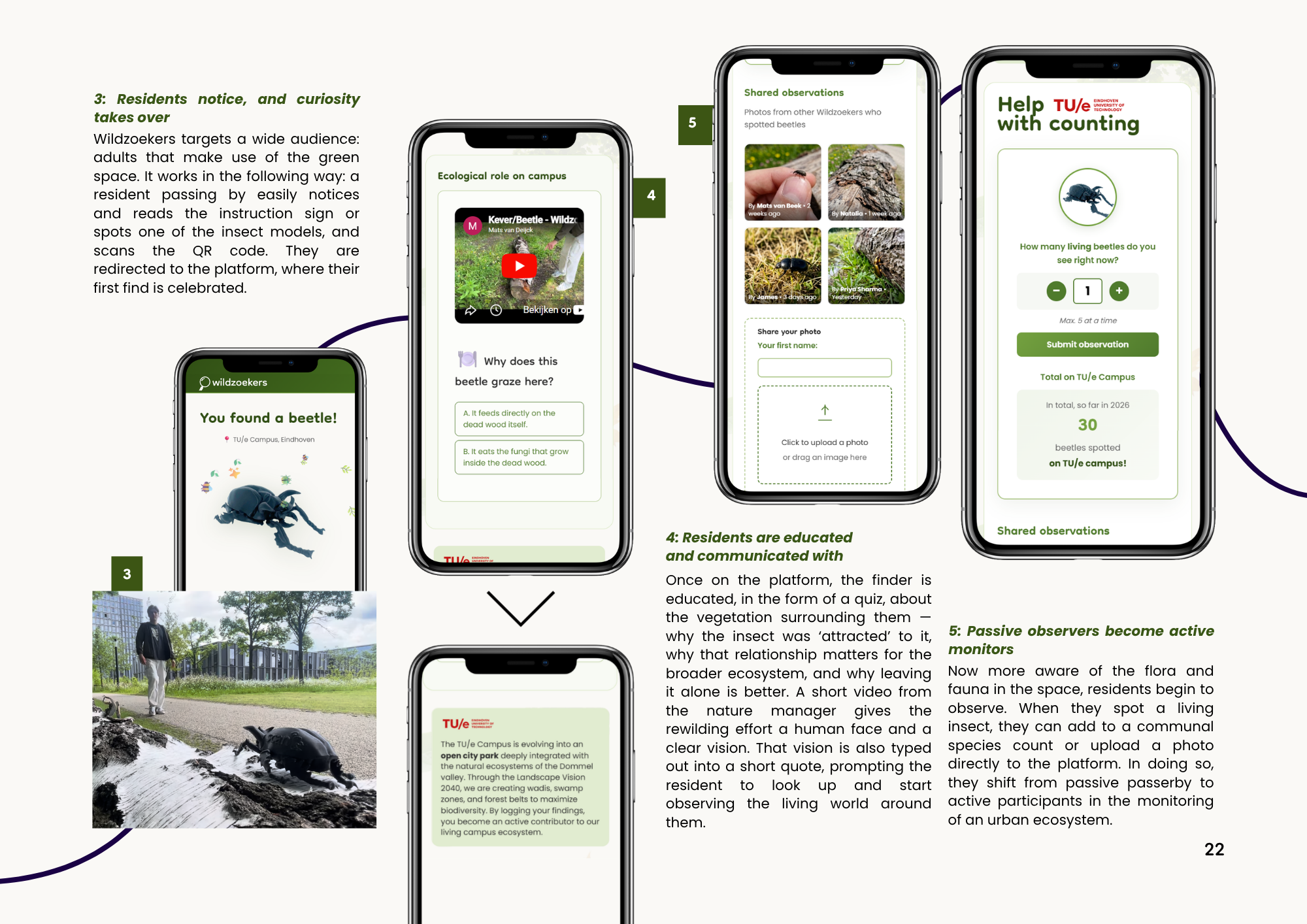
Explanatory page for the online monitoring platform prototype from my FBP report
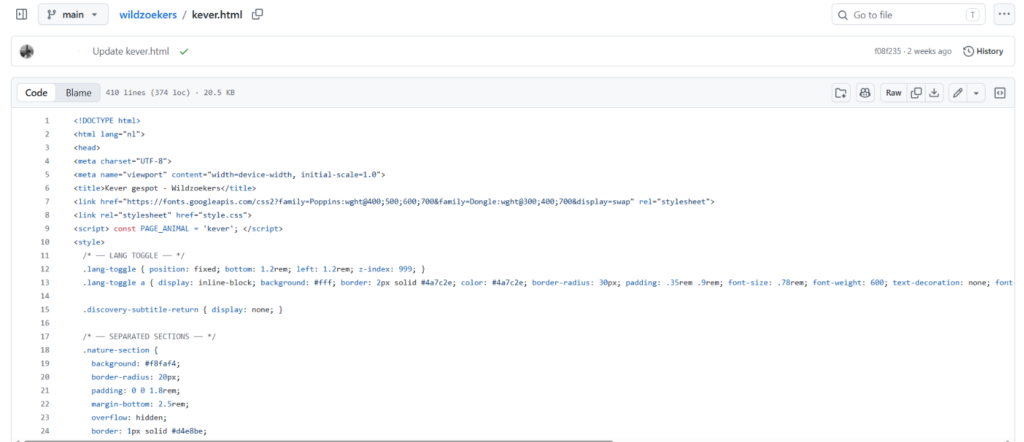
Example of the back-end code in GitHub, easily adjustable to tailor to my needs.
In B2, I developed a consistent personal design identity: creative and informal, yet professional, which I now apply across all my work.
Collaboration has been a recurring theme. I naturally take on coordinating roles (PI), which works well when expectations are clear but can lead to me carrying too much when they are not. During my exchange at KTH, an entirely online team project reinforced both my strengths and a persistent weakness: I need to communicate more assertively when team members do not follow through, rather than filling the gap myself.
Although my FBP was individual, I collaborated actively through a co-ideation session, expert interviews, and extensive outreach. Reaching out to find a client and later securing expert validations was a goal I had set, and I met it. Maintaining a professional and open tone throughout meant that even contacts who could not participate initially became valuable later in the process.
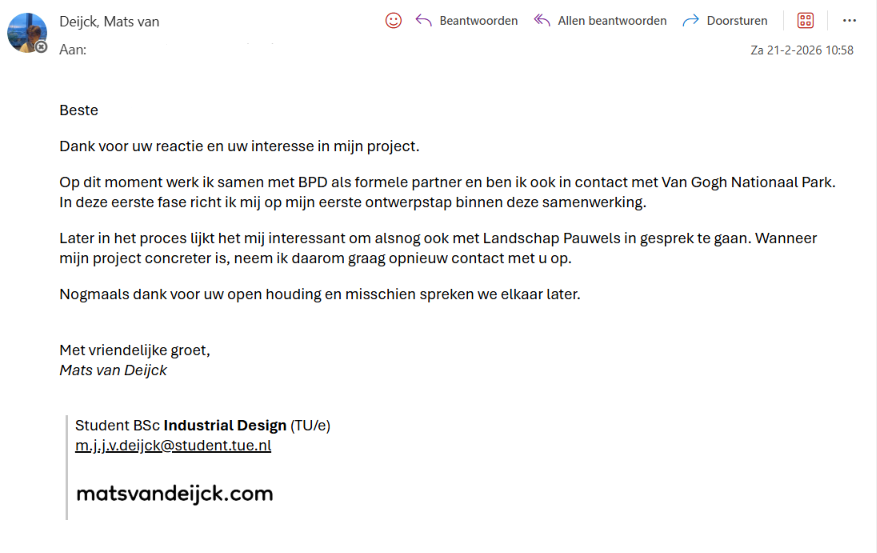
Example of e-mail correspondence.
Involving users too late in P3 (B2) showed me the importance of early stakeholder engagement, which led me to adopt the Design Thinking Process as my core framework. It starts with an Empathise phase, which ensures I understand real needs before jumping to solutions, plus the framework is widely used, which helps align diverse stakeholders in complex projects.
During my exchange, the Design Thinking process was used in an international, interdisciplinary online course focused on SDG4, where its clarity proved valuable across all different backgrounds. For myself, I also added iteration as an explicit step, treating the testing phase not as an endpoint but as input for new iterations.
In my FBP, it gave me structure while allowing flexibility, but also revealed a gap. I reached out to users early as planned, but only later found key literature insights. In future DRP’s, I will balance exploratory user research and literature review more deliberately in the opening phases.
At the end of B1, my vision focused on ‘sustainable, green, and visual design’. Throughout B2, this developed into designing climate strategies for broader impact, though it remained abstract and hard to articulate practically.
My exchange in Stockholm, a city where water, nature, and the built environment live together in balance made me aware of how little access to nature many Dutch urban environments offer, grounding my motivation to design locally with nature as a starting point. The ‘Green Economics’ course (as mentioned in BE) reinforced my belief in action-based approaches that prioritise real impact over economic indicators alone.
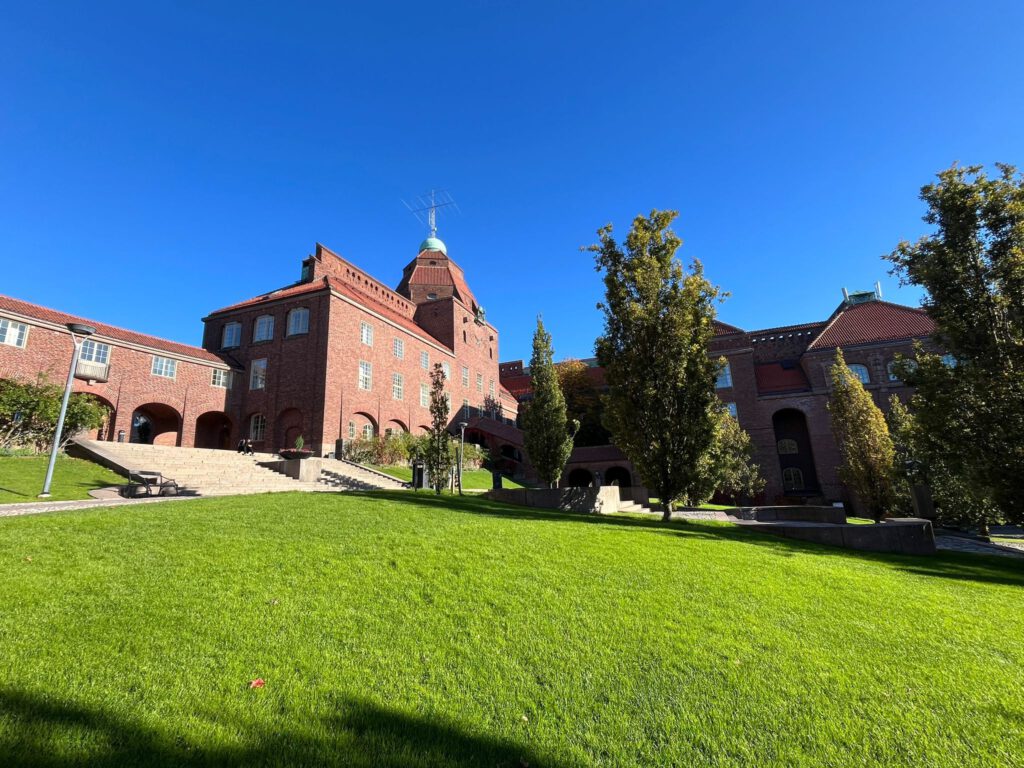
The green KTH campus.
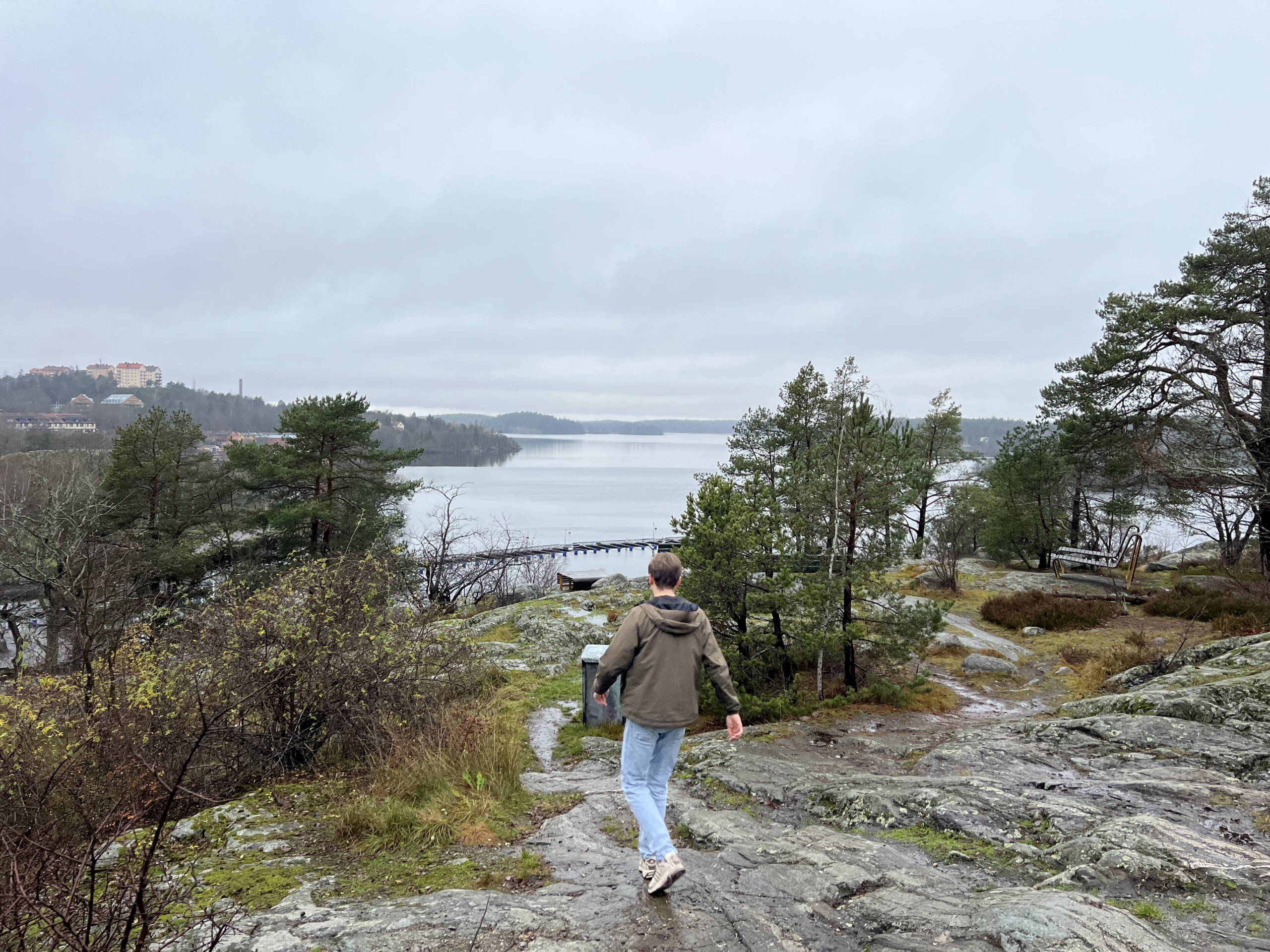
Just a few minutes away from my room in Stockholm...
Going into my FBP, I wanted to understand how design can contribute to sustainability practically; and I did. Rather than designing for nature in the way a landscape architect might, I found that the relationship between people and nature is where design can play a role. Shifting social acceptance of urban rewilding through a monitoring platform made this concrete.
Moreover, discovering Strategic Product Design at TU Delft, and then particularly their theme ‘Sustainable Innovation’ and an alumni’s work on the ‘Future of the Urban Forest' [1], showed me that strategic design can ensure implementation and lasting impact in that field. This is the direction I am moving towards: design that has sustainable ambition but with the strategic thinking needed to make it work.
[1] The future of the urban forest: 2023. https://repository.tudelft.nl/record/uuid:5ab49475-cff2-412a-9d90-fdaff94fc6c0.